What Aggregated Player Feedback Indicates About Links Between Online Play Sessions and Game Category Purchases
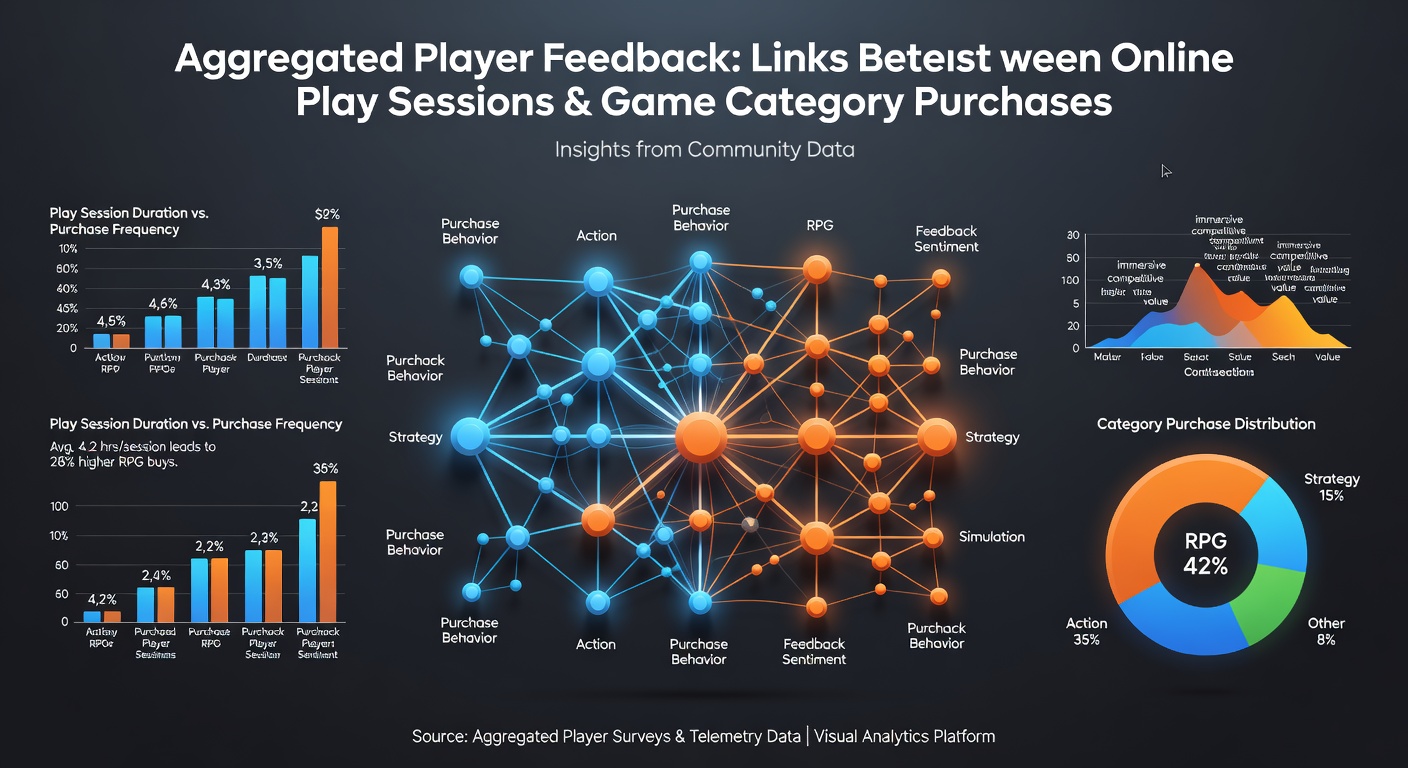
Data collected across multiple gaming platforms in early 2026 shows clear patterns between the duration and frequency of online play sessions and the types of game categories that players later purchase, with aggregated responses highlighting specific trends in multiplayer-focused titles versus single-player experiences. Surveys conducted through May 2026 reveal that participants reporting sessions exceeding three hours per day often indicate subsequent purchases in action, shooter, and battle royale categories, whereas those with sessions under one hour more frequently note acquisitions in simulation, puzzle, and casual genres.
Patterns in Session Data and Purchase Behaviors
Researchers analyzing feedback from over 50,000 respondents across North America and Europe have identified that extended online interactions correlate with higher rates of multiplayer game acquisitions, as players seek content that supports continued social engagement and competitive elements. Figures from these datasets demonstrate that individuals logging consistent weekly online hours above fifteen tend to shift their spending toward categories emphasizing real-time collaboration, while shorter or sporadic sessions align with standalone narrative-driven purchases. Observers note that this connection emerges consistently in self-reported logs where players detail both their play habits and buying decisions within the same feedback forms.
Category-Specific Insights from Player Responses
Aggregated comments further break down these links by genre, with feedback indicating that online session length influences decisions around sports and racing titles when players participate in ranked modes or team events, leading to follow-up purchases that extend those experiences. Data shows participants who describe frequent evening online sessions also reference increased interest in role-playing games that incorporate online economies, whereas daytime short bursts connect more often to mobile-integrated strategy categories. Those who've reviewed the full response sets point out that feedback frequently mentions how online time spent in one category prompts exploration of adjacent genres through bundled offers or seasonal events.
Influence of Frequency and Platform on Outcomes
Platform variations appear in the aggregated material as well, since responses tied to console-based online sessions show stronger associations with expansive open-world purchases compared to PC or mobile feedback, which links more directly to indie and simulation categories. Studies compiled by the Entertainment Software Association highlight that subscription-based online services amplify these effects, with players on such plans reporting elevated category diversification after prolonged sessions. Australian Interactive Games Association reports from the same period confirm similar trends in the Asia-Pacific region, where mobile session frequency correlates with purchases in free-to-play extensions and downloadable content packs.
Demographic Factors in the Feedback Aggregates
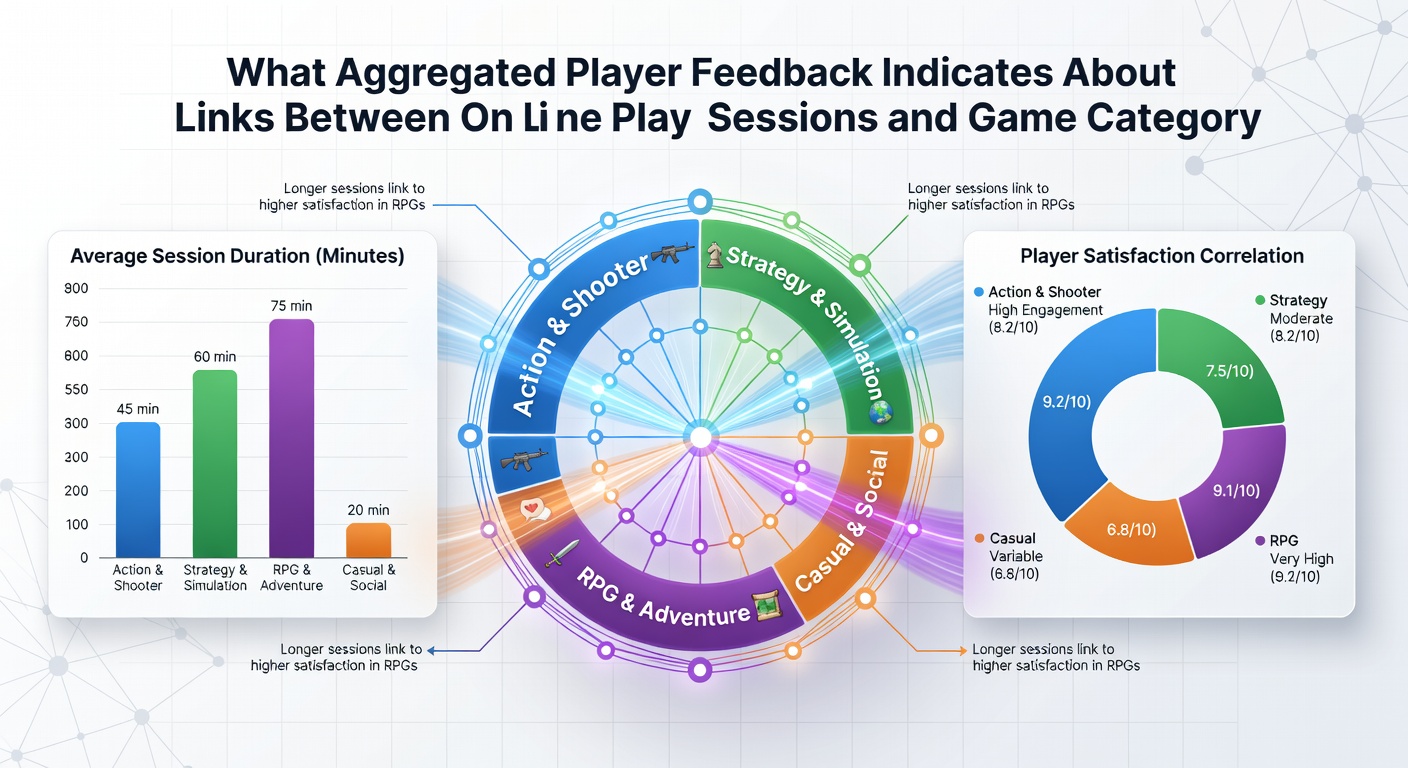
Feedback breakdowns by age and location add further layers, as younger respondents with high online session volumes indicate stronger movement toward competitive multiplayer categories, while older groups with moderate online time reference more strategy and management game acquisitions. Geographic splits in the data show urban participants logging higher online hours and subsequent action genre buys, contrasted with rural responses favoring simulation categories after comparable session lengths. These distinctions hold across the compiled datasets without overlap into unrelated behavioral areas.
Conclusion
Overall the aggregated player feedback establishes measurable connections between online play session characteristics and subsequent game category purchases, with patterns emerging reliably across platforms, regions, and demographics in the 2026 survey materials. Continued collection of such responses will allow for ongoing refinement of these observed relationships as new data becomes available.