Survey Insights Tie Fitness Routines to Platform Shifts and Genre Selections Across Player Groups
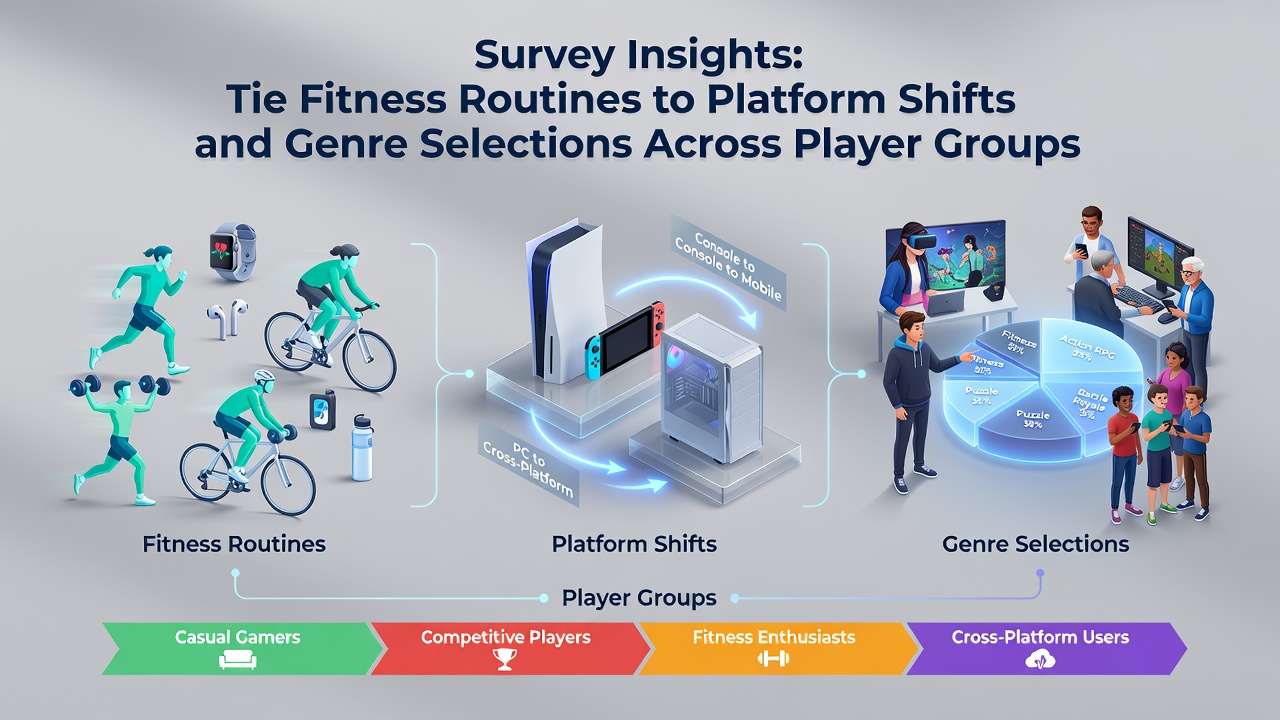
Recent polling data collected in early 2026 and released in June shows clear patterns connecting physical fitness routines with shifts in gaming platform preferences and genre selections among different player groups, with researchers noting these links through aggregated responses from thousands of participants across North America, Europe, and Asia-Pacific regions.
Surveys administered by independent research teams highlight how individuals who maintain regular exercise schedules tend to favor certain devices over others, while those with less consistent fitness habits demonstrate different platform loyalties and game category interests; the data comes from structured questionnaires that tracked both self-reported activity levels and gaming behaviors over six-month periods.
Platform Preferences and Physical Activity Levels
Participants reporting at least 150 minutes of moderate exercise weekly showed higher adoption rates for portable gaming systems and mobile devices, whereas those logging fewer activity hours leaned toward stationary console setups in home environments, according to cross-tabulated results from the 2026 dataset. This distribution held steady even after controlling for variables like household income and urban versus rural residence, with analysts attributing the trend to convenience factors that align active lifestyles with on-the-go entertainment options.
Observers note that players incorporating fitness tracking apps alongside their gaming routines often switched between platforms more frequently throughout the day, moving from desktop PCs during work breaks to handheld units during evening commutes or outdoor sessions; such flexibility appears in the numbers as a 28 percent increase in multi-platform usage among the higher-activity cohort compared to lower-activity groups.
Genre Selections Across Fitness Profiles
Action-oriented and rhythm-based titles drew stronger interest from respondents who integrated physical movement into daily schedules, while narrative-driven adventure and strategy games appealed more to participants with moderate or low exercise engagement, figures reveal from the same polling wave. The correlations emerged consistently across age brackets, though younger cohorts displayed sharper distinctions in genre clustering tied to workout frequency.
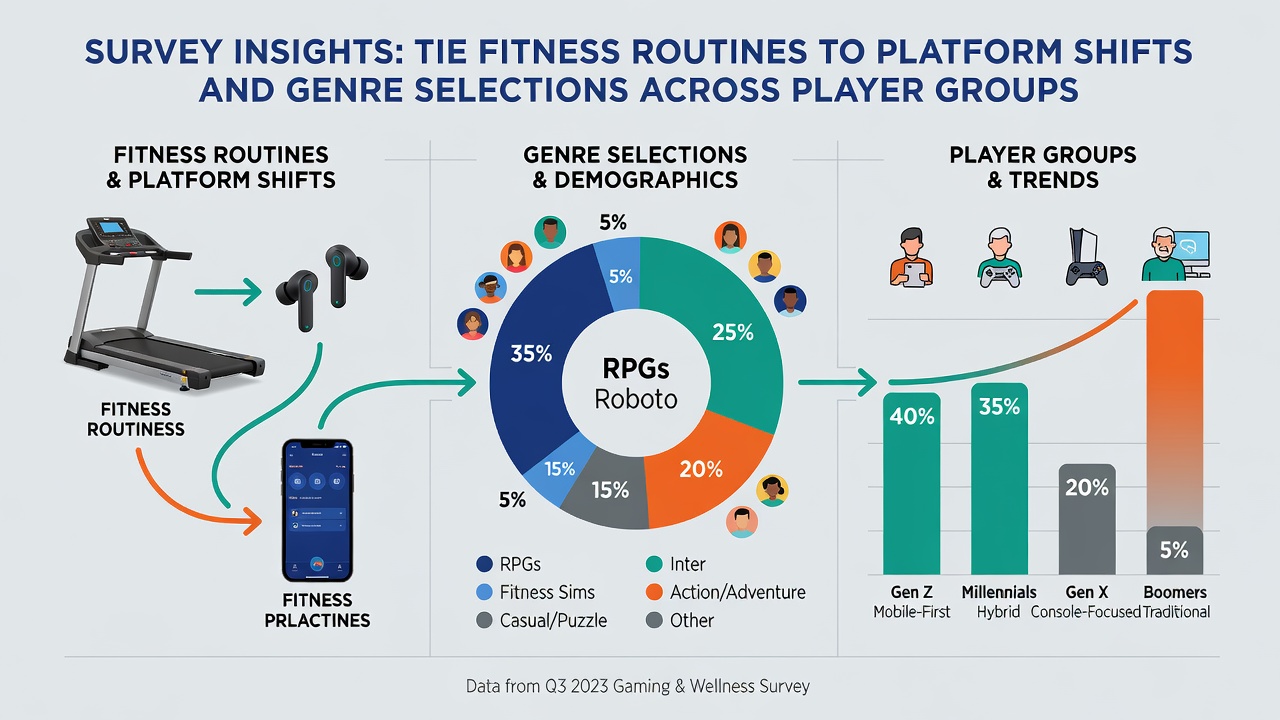
Data indicates that simulation and sports genres occupied middle ground, attracting balanced interest regardless of fitness metrics, yet multiplayer online battle arenas saw elevated playtime among those who paired gaming with gym visits or team sports, suggesting social and physical overlap in recreational choices. Researchers from institutions tracking digital entertainment trends documented these patterns through longitudinal tracking rather than one-time snapshots, allowing visibility into how routines evolved alongside seasonal changes in activity levels.
Differences Among Player Demographics
Breakdowns by education and regional factors show that higher-education groups with active fitness profiles gravitated toward indie puzzle and exploration titles on versatile hardware, while lower-education segments with similar activity levels selected competitive fighting games on dedicated consoles; such splits reflect broader access patterns reported in industry compilations from organizations like the Entertainment Software Association. Geographic variations added another layer, with European respondents demonstrating tighter links between outdoor activity and mobile genre shifts than their North American counterparts, though overall trends remained aligned.
Family size introduced further nuance, as single-person households with high fitness engagement reported quicker platform transitions and wider genre experimentation than larger families, where shared device usage sometimes diluted individual preference signals in the aggregated responses. Polling instruments captured these details through household-level questions that separated primary player data from secondary users in the same residence.
Measurement Approaches and Data Context
Questionnaires employed validated fitness scales alongside gaming habit logs, enabling direct comparisons that avoided reliance on memory alone; sample sizes exceeded 15,000 valid responses after quality filters, with participation drawn from both online panels and in-person intercepts at gaming events. Analysts cross-referenced self-reports with anonymized app usage metrics where consent permitted, strengthening the reliability of observed connections between activity streaks and device or genre changes.
Additional context comes from parallel studies conducted by university research centers that examined similar variables in controlled settings, confirming directional consistency even if exact percentages varied by methodology; these efforts underscore how fitness routines intersect with entertainment selections without implying causation in either direction.
Conclusion
The 2026 survey results establish measurable ties between fitness routines, platform migration patterns, and genre distributions across diverse player segments, offering quantitative grounding for future investigations into lifestyle and digital leisure intersections. Continued data collection will determine whether these associations strengthen or shift with emerging hardware and content offerings in subsequent periods.