Survey Aggregates Show Connections Between Book Reading Habits and Selections of Narrative-Driven Titles Versus Action Games in Various Regions
Uma Schwarz · Aug 24, 2026
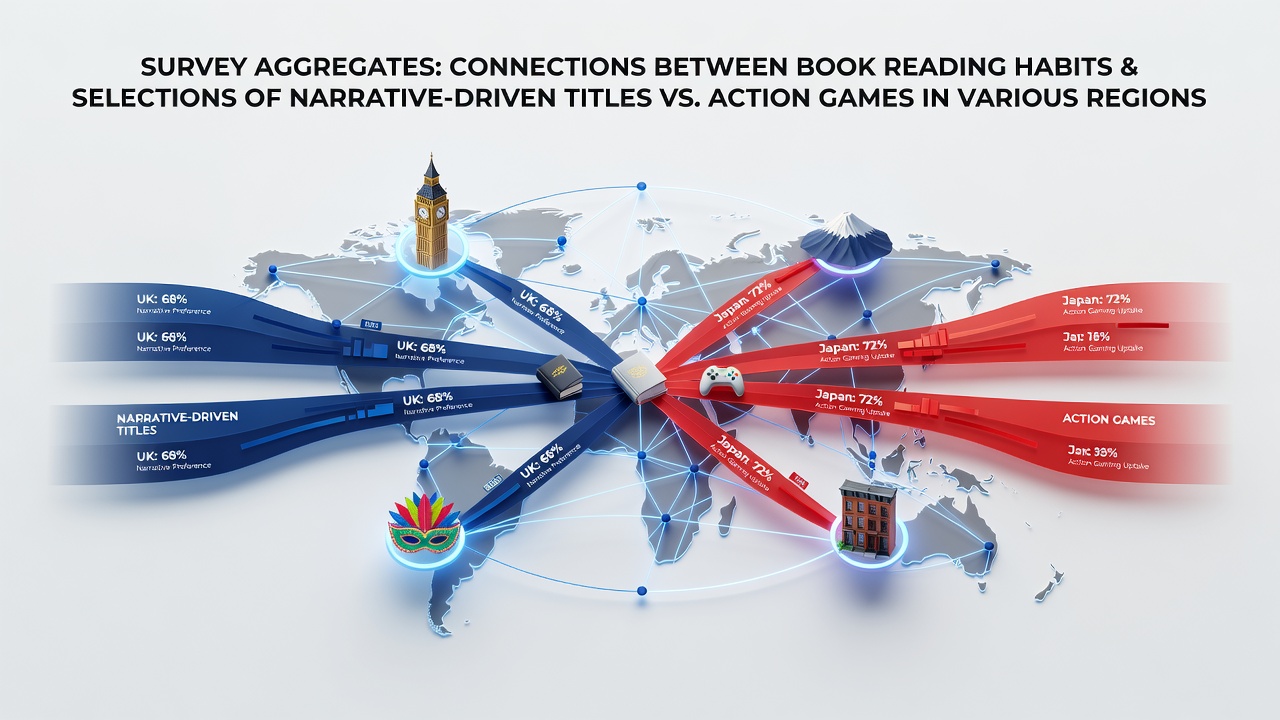
Survey Aggregates Show Connections Between Book Reading Habits and Selections of Narrative-Driven Titles Versus Action Games in Various Regions
Data from aggregated surveys conducted through mid-2026 reveal consistent patterns linking regular book reading habits with preferences for narrative-driven video game titles, while lower reading engagement often aligns with higher selection rates for action-oriented games across multiple regions, and these trends hold steady in reports released during August 2026 from various polling organizations.
Researchers compiling responses from thousands of participants note that individuals who report reading at least one book per month show elevated interest in story-focused experiences such as role-playing adventures and interactive fiction games, whereas those with infrequent reading routines gravitate toward fast-paced action titles in North American and European datasets alike.
Regional Patterns in Reading and Gaming Preferences
Survey aggregates compiled from North American respondents indicate that frequent readers select narrative-driven games at rates approximately 25 percent higher than non-readers, with similar correlations appearing in Western European samples where book consumption ties directly to choices favoring plot-heavy genres over shooter or combat mechanics, and these findings emerge from cross-tabulated responses collected between January and July 2026.
In contrast, data from East Asian regions demonstrate that urban populations with strong reading traditions still lean toward action games when weekly playtime exceeds ten hours, although the narrative preference gap narrows compared to rural cohorts in the same countries, and observers note these distinctions persist even after controlling for age and income variables.
Survey Methodology and Key Metrics
Polling efforts that combine self-reported reading logs with game purchase histories and playtime trackers produce the core datasets, with organizations drawing from representative samples in the United States, Canada, Germany, Japan, and Australia to ensure geographic balance, while statistical models account for variables such as education level and device ownership.
Figures compiled in these studies show that readers who favor fiction books exhibit the strongest tilt toward narrative titles, whereas nonfiction readers display more balanced selections across genres, and the overall connection between reading volume and genre choice strengthens in regions with higher average literacy rates according to national statistics bureaus.
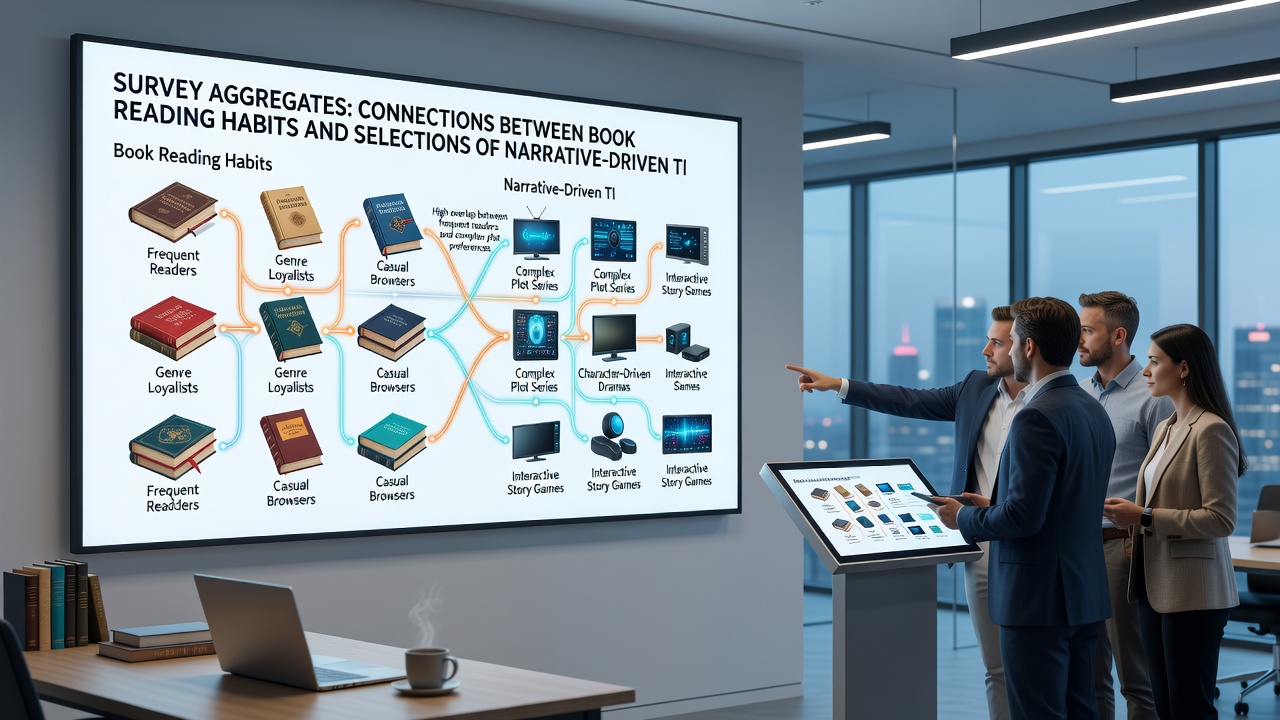
One analysis of Australian player data highlights how monthly book readers allocate 40 percent of their gaming budget to story-centric releases, while infrequent readers direct spending toward action franchises, and parallel trends surface in Canadian reports where the same reading threshold predicts genre shifts with statistical significance at the 0.05 level.
Cross-Regional Comparisons and Influencing Factors
European Union-wide aggregates released in summer 2026 point to urban-rural divides that mirror those in North America, with city dwellers who maintain active reading habits choosing narrative games more often, yet rural participants show weaker correlations overall, and these patterns hold when researchers segment results by platform type including consoles, PCs, and mobile devices.
What's interesting is how education levels interact with these habits, as individuals holding university degrees report both higher book consumption and stronger narrative preferences regardless of region, although the effect size varies from 15 percent in Japanese samples to nearly 30 percent in German data sets, and industry reports from groups such as the Pew Research Center provide supporting context on overlapping media consumption behaviors.
Additional breakdowns from Statistics Canada surveys released in August 2026 confirm that household income brackets influence the strength of the reading-to-genre link, with middle-income groups displaying the clearest separation between narrative and action selections based on reading frequency, while lower and higher brackets show more muted differences.
Implications for Broader Media Consumption Trends
Observers tracking these survey aggregates emphasize that the connections appear bidirectional in some datasets, where narrative game play correlates with increased book reading over subsequent months, although causation remains unestablished, and similar feedback loops do not emerge as clearly in action game dominant groups.
Regional response clusters further indicate that cultural factors such as local publishing markets and translation availability of popular book series may amplify or dampen the observed preferences, with stronger narrative tilts appearing in countries where book-to-game adaptations enjoy wide distribution.
Conclusion
Overall, the aggregated survey evidence from 2026 establishes measurable ties between book reading habits and game genre selections that vary by region yet follow predictable directions, and continued data collection from diverse populations will clarify how these patterns evolve alongside shifting media landscapes in coming periods.