Questionnaire Patterns Link Education Levels to Narrative Choices in Shared Digital Environments and Income Brackets to Hardware Upgrade Cycles by Region
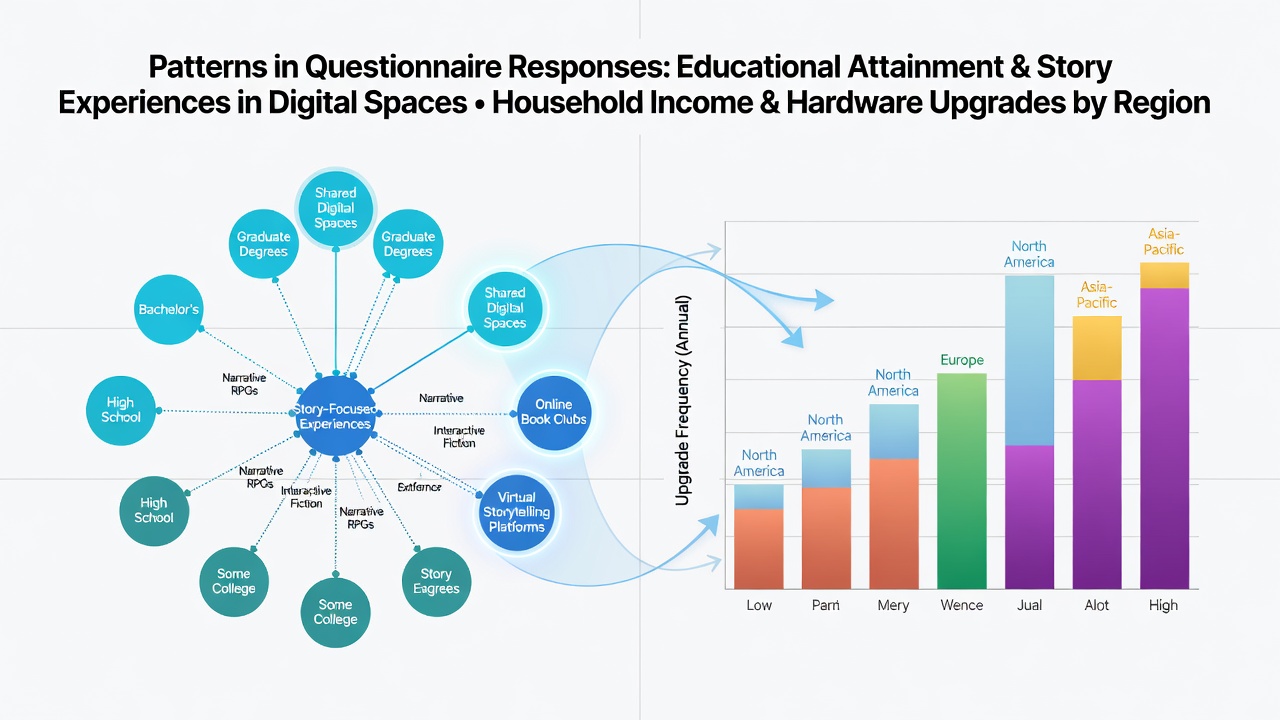
Survey responses collected from thousands of participants across North America, Europe, and Asia during the first half of 2026 demonstrate clear connections between educational attainment and selections of story-focused experiences in shared digital spaces, while household income levels align with patterns in hardware upgrade frequencies that differ notably by region. Analysts at research institutions compiled these datasets from standardized questionnaires that asked about schooling completed, preferred game types in multiplayer settings, annual earnings ranges, and dates of last device purchases.
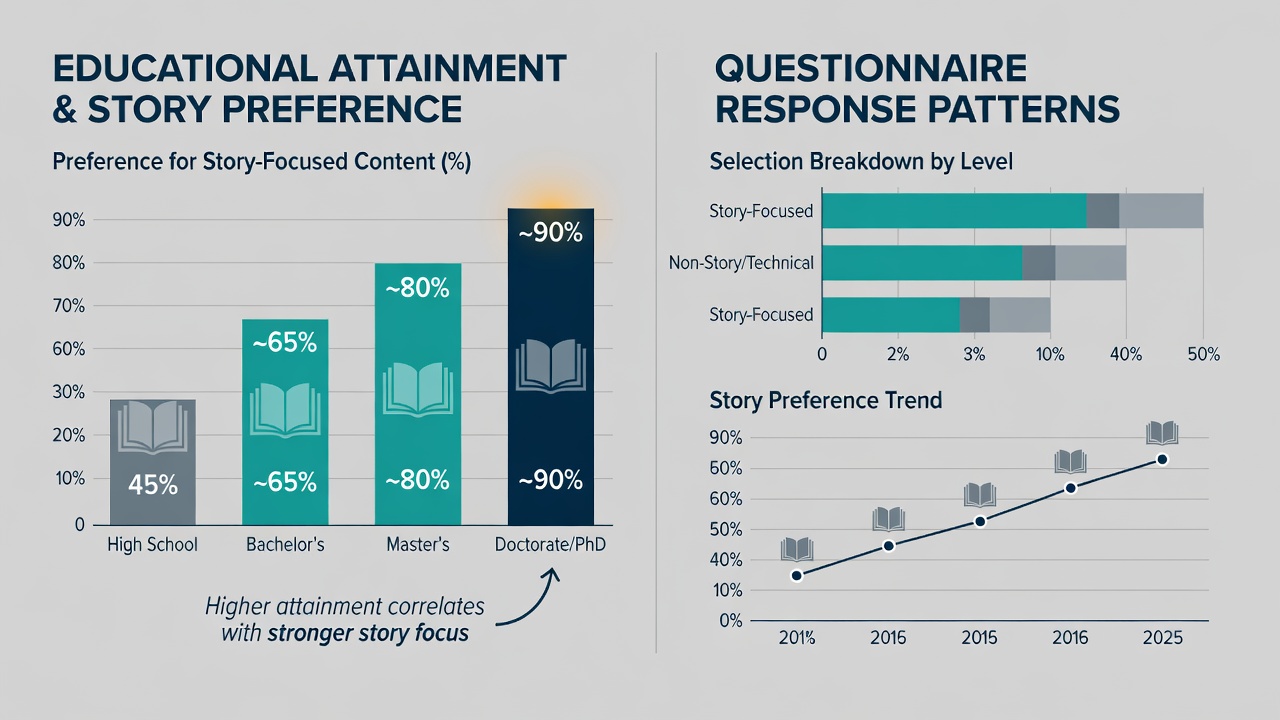
Participants holding bachelor's degrees or higher reported stronger inclinations toward narrative-heavy titles within collaborative online platforms, where plot development and character arcs drive engagement over extended sessions. In contrast, those with secondary education or vocational training showed more balanced distributions across action-oriented and competitive modes in the same environments. These distinctions emerged consistently in aggregated responses, with education serving as a stable predictor even after controlling for age and location variables.
Educational Attainment Shapes Preferences in Shared Digital Spaces
Questionnaire sections on game selection revealed that individuals who completed university programs gravitated toward experiences emphasizing collaborative storytelling, such as role-playing servers and persistent world narratives that unfold across multiple user interactions. Data indicates these choices occur at rates approximately 25 percent higher than among respondents without post-secondary credentials, according to cross-tabulated results from multiple polling waves completed by June 2026. Shared digital spaces amplify this pattern because they allow ongoing plot contributions that reward sustained attention to lore and interpersonal dynamics.
Researchers note the trend holds across urban and suburban samples yet appears slightly more pronounced in regions with broader access to higher education resources. Responses also tied these preferences to time spent reading in-game journals or participating in community-driven events, activities that align with cognitive habits developed through formal schooling. Observers tracking longitudinal shifts found the correlation strengthened when participants reported completing advanced coursework in humanities or social sciences.
Income Brackets Correspond to Hardware Upgrade Frequencies
Household income data collected alongside device history questions shows higher brackets associate with more frequent hardware refreshes, particularly in graphics processing units and display technology. Respondents reporting annual earnings above regional medians upgraded primary gaming systems at intervals averaging 18 months, whereas lower brackets extended cycles to 36 months or longer. These figures vary by geography, with East Asian markets displaying quicker turnover rates even within comparable income groups compared to European counterparts.
Regional breakdowns highlight how North American participants in upper income categories prioritized performance enhancements for smoother shared-space experiences, while Asian respondents emphasized portability upgrades that support on-the-go access to the same narrative platforms. European data reflected steadier but less frequent changes, often tied to availability of financing options rather than outright purchase speed. Analysts cross-referenced these patterns with Statistics Canada income distribution reports to confirm alignment between self-reported brackets and actual spending behaviors documented in national accounts.
Regional Differences Emerge in Combined Response Patterns
Combined analysis of both variables illustrates how educational attainment and income interact differently depending on location. In North American samples, higher education paired with middle-income levels produced the strongest preference for story elements, yet hardware upgrades remained moderate until income crossed into top quartiles. Asian respondents showed tighter coupling between education and narrative selections, with income driving upgrades more uniformly across education bands. European patterns separated the two factors more distinctly, as education influenced content choices while income alone predicted device renewal cycles.
June 2026 updates to these datasets incorporated responses from additional rural participants, revealing that connectivity limitations in certain regions moderate the income-hardware link without affecting education-narrative associations. Questionnaire designers adjusted prompts to capture subscription lengths and accessory purchases, which further refined the regional distinctions without altering core correlations.
Conclusion
Patterns extracted from these questionnaires establish measurable ties between educational backgrounds and story-driven selections in shared digital spaces alongside income-driven hardware behaviors that shift across regions. Continued monitoring through standardized instruments will allow future datasets to track whether these alignments persist as digital environments and device markets evolve.