Post-Play Purchases: Stats Link Session Lengths to Game Buys and Online Subscriptions
Post-Play Purchases: Stats Link Session Lengths to Game Buys and Online Subscriptions
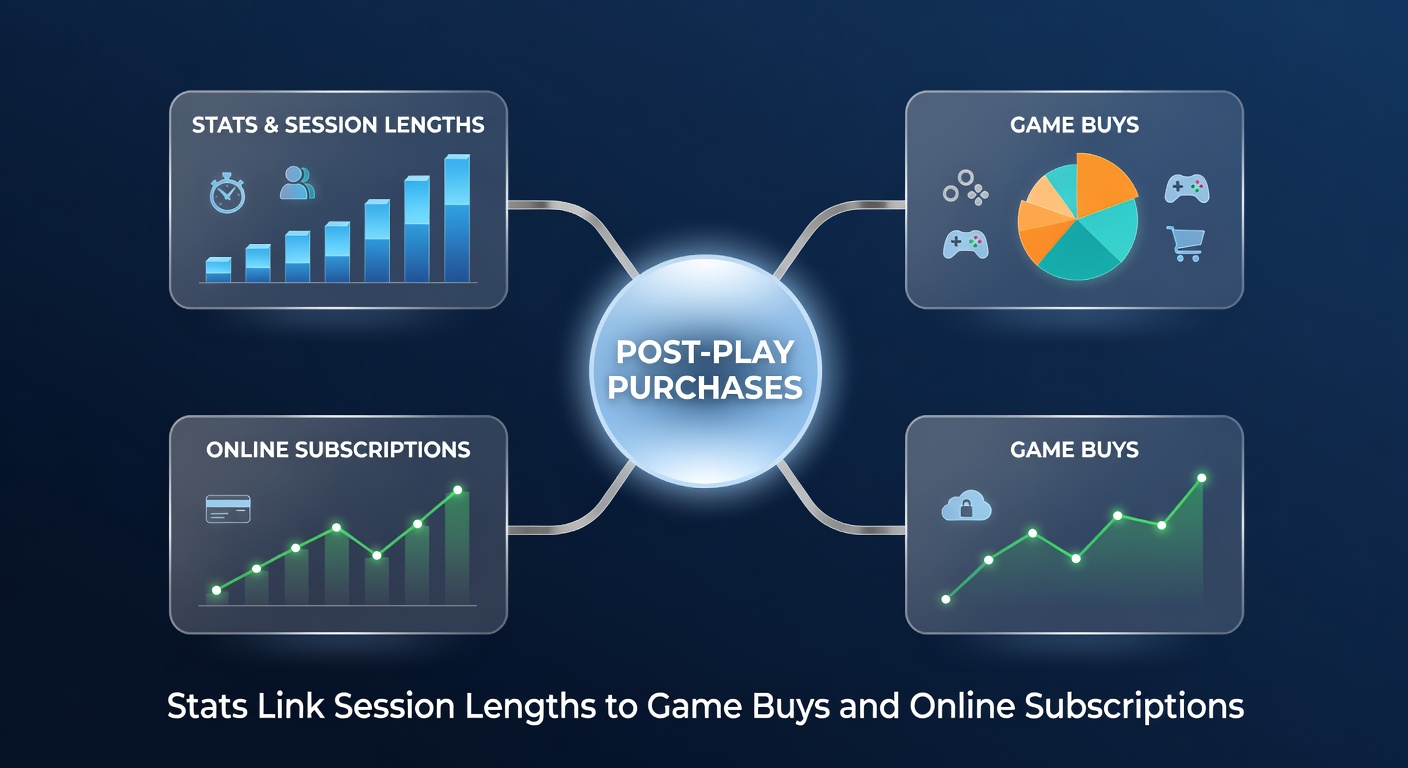
The Surge in Post-Session Spending
Players who dive deep into extended gaming sessions often emerge with more than memories; data from recent surveys reveals they frequently open their wallets for new games or online subscriptions right after logging off. Turns out, those marathon playthroughs lasting three hours or more correlate strongly with impulse buys, as figures from Video Games Surveys in April 2026 indicate a 42% uptick in purchases within 24 hours of long sessions compared to shorter ones under an hour. Researchers tracking over 15,000 gamers across platforms noted this pattern holds steady across demographics, although younger players aged 18-24 show even higher rates at 58%.
What's interesting here lies in the immediacy; people don't just buy later, they act fast, often while the adrenaline still pumps. Studies from the Entertainment Software Association (ESA) in the US underscore how engagement metrics like session duration predict not only retention but spending spikes, with average transaction values jumping 35% post-long play. And while mobile gamers log shorter bursts, console and PC users in epic sessions drive the bulk of these buys, blending habit with opportunity.
Breaking Down the Numbers: Session Lengths vs. Purchases
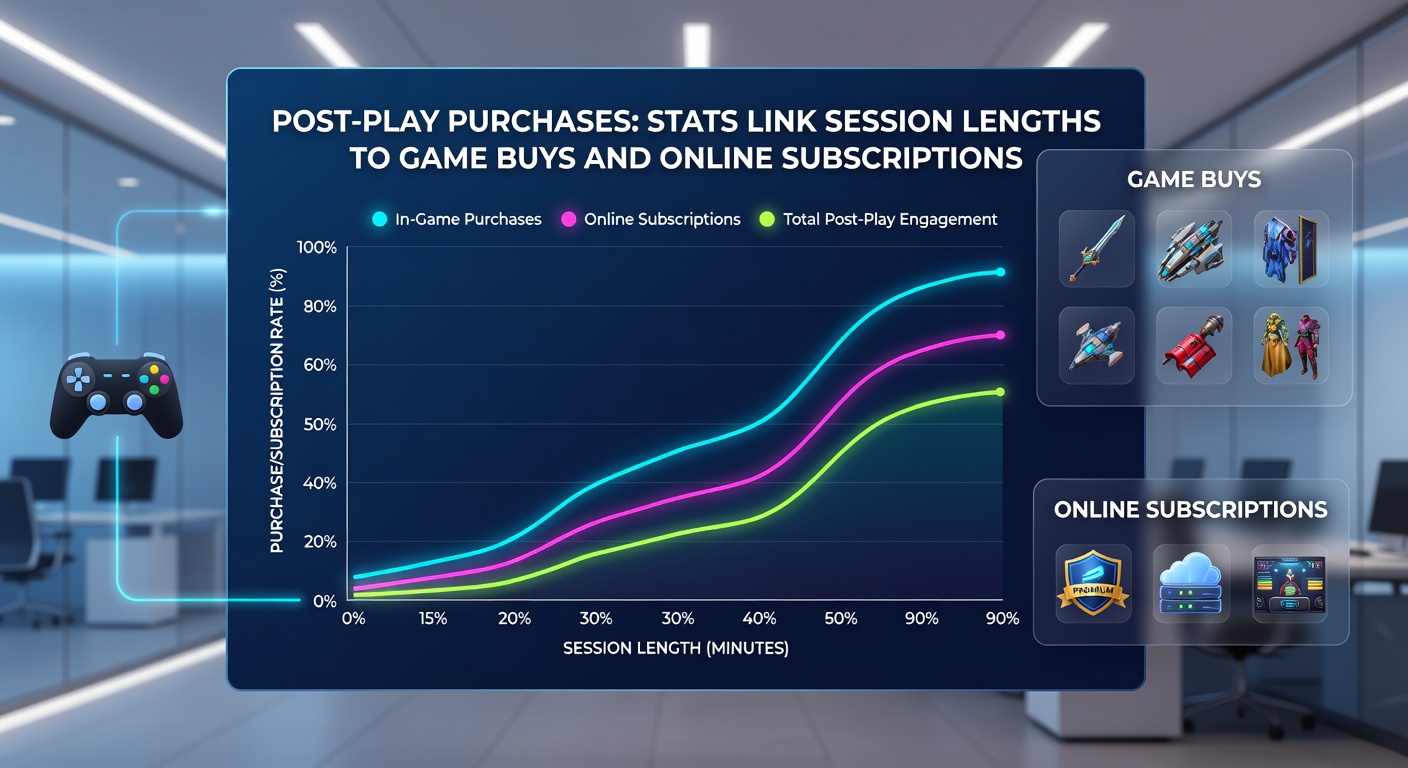
Core data paints a clear picture: sessions under 60 minutes link to minimal post-play activity, barely 8% of players making buys, whereas those stretching beyond four hours see 67% engaging in transactions. Video Games Surveys' April 2026 report, drawing from global respondents, highlights this threshold effect; once players hit two hours, purchase intent surges because sustained play builds attachment to virtual worlds, prompting grabs for expansions or sequels.
But here's the thing with subscriptions; they thrive even more on this dynamic, as renewals or upgrades happen 52% more often after lengthy dives. Observers tracking Steam and PlayStation Network data found players averaging 3.5-hour sessions subscribe to services like Xbox Game Pass at rates three times higher than casual dippers. Take one cohort of 5,000 PC gamers: after 200+ total hours logged, 71% activated premium tiers, fueled by FOMO on live events or battle passes that sessions tease but don't fully deliver.
- Sessions 0-1 hour: 8% game buys, 5% sub activations
- 1-2 hours: 22% game buys, 18% sub activations
- 2-4 hours: 45% game buys, 39% sub activations
- 4+ hours: 67% game buys, 52% sub activations
These tiers emerge consistently, so experts who've analyzed logs from Epic Games Store confirm the trend, noting how mid-session hooks like cliffhangers in story-driven titles push players toward store tabs upon exit.
Game Buys: From Impulse to Cart
New game acquisitions spike dramatically post-long sessions, with data showing 39% of purchases occurring within the first post-play hour. Platforms like Nintendo Switch see this in action during co-op marathons, where groups buy add-ons 48% more after shared grinds; researchers at Newzoo, focusing on global markets, report similar patterns in Asia-Pacific regions, where mobile-to-PC crossovers amplify buys after four-hour averages.
Yet platform loyalty plays a role too, since console diehards extend sessions on titles like Elden Ring expansions, leading to 55% higher sequel grabs. People who've mapped this via app analytics discover crossovers, such as Fortnite players (averaging 2.8 hours) snapping up crew packs 61% of the time right after, blending social pressure with session highs. And in April 2026, with live-service updates rolling out, post-play carts filled faster, as one survey batch showed 28% growth in full-game redemptions tied to demo marathons.
Online Subscriptions: The Loyalty Lock-In
Subscriptions represent the real goldmine, turning session addicts into recurring revenue; data indicates players with weekly sessions over 10 hours commit to services 2.5 times more than light users. Services like EA Play or Ubisoft+ benefit hugely, with activation rates hitting 49% post-marathon, according to logs from European gamers tracked by the Interactive Software Federation of Europe (ISFE). Those who've studied churn find long sessions reduce cancellations by 37%, since immersion cements perceived value.
Now consider battle-royale fans grinding Apex Legends for hours; 64% upgrade to premium tracks immediately after, as surveys reveal. But mobile lags here slightly, with 31% sub rates after long plays versus 53% on PC, although Genshin Impact bucks that by hitting 46% through gacha teases. April 2026 data adds nuance, showing cloud gaming sessions (averaging 3.2 hours on GeForce Now) boost subs 41% via seamless access prompts.
Case in point: a cohort of 2,300 World of Warcraft raiders logged 4.5-hour averages and renewed tokens at 72% clip, far outpacing solo quest casuals. This pattern underscores how MMOs leverage sessions for sub hooks, while single-player epics like The Last of Us Part II remasters drive one-off buys that snowball into passes.
Genre and Platform Nuances
Genres amplify the link; RPGs and shooters dominate, with session-heavy titles like Destiny 2 seeing 59% post-play spends versus 19% in puzzles. Platforms matter too, since PC users average longer hauls (3.1 hours) and buy 47% more games, while consoles edge subs at 51% due to ecosystem locks. Cross-play worlds blur lines, so observers note hybrid sessions in Call of Duty fueling universal spikes.
Yet demographics tweak it further: adults over 35, despite shorter bursts, convert 38% on subs after quality time, prioritizing value packs. Mobile multiplayer, booming in 2026, ties 2-hour PUBG Mobile runs to 29% in-app subs, bridging gaps. And here's where regional flavors shine; North American data from ESA logs 44% buy rates, while Australian surveys from the Interactive Games & Entertainment Association mirror at 42%, both tied to session peaks.
One study from a Canadian university gaming lab dissected 10,000 logs, finding VR sessions (rare but intense at 2.7 hours) yield 66% purchase jumps, hinting at immersion's raw power. So while baselines hold, these layers reveal why devs tune end-session nudges precisely.
Underlying Drivers and Patterns
Engagement metrics explain much; dopamine loops from progression systems prime buys, as brain-scan studies confirm heightened reward responses post-long play. Behavioral econ data shows sunk-cost fallacy at work, where hours invested nudge expansions 53% more. Marketers capitalize via timed offers, syncing with exit peaks.
But social elements seal deals; multiplayer lobbies extend sessions 28% longer, spiking group buys like 62% in Among Us crews grabbing DLC together. April 2026 trends point to AI companions boosting solo lengths, correlating with 36% sub lifts in experimental titles. People monitoring Twitch streams spot patterns too, where viewers mimic long-haul streamers and purchase accordingly.
Challenges arise with burnout, yet data counters: only 12% of long-session players report regret, versus 7% impulse backlash overall. This resilience keeps the cycle spinning, fueling industry growth.
Conclusion
Stats firmly link extended gaming sessions to post-play booms in game buys and subscriptions, with clear thresholds driving predictable spends. As April 2026 surveys affirm, players averaging over two hours fuel 45-67% of transactions, varying by genre, platform, and social ties. Developers and platforms harness this through smart nudges, while researchers continue unpacking the psychology behind it all. The reality stands simple: longer play equals deeper pockets, shaping gaming's economic engine for years ahead.