Gaming on the Go: Polls Uncover Shifts in Console Loyalty Amid Mobile Multiplayer Boom
Gaming on the Go: Polls Uncover Shifts in Console Loyalty Amid Mobile Multiplayer Boom
The Surge in Mobile Gaming Captures New Audiences
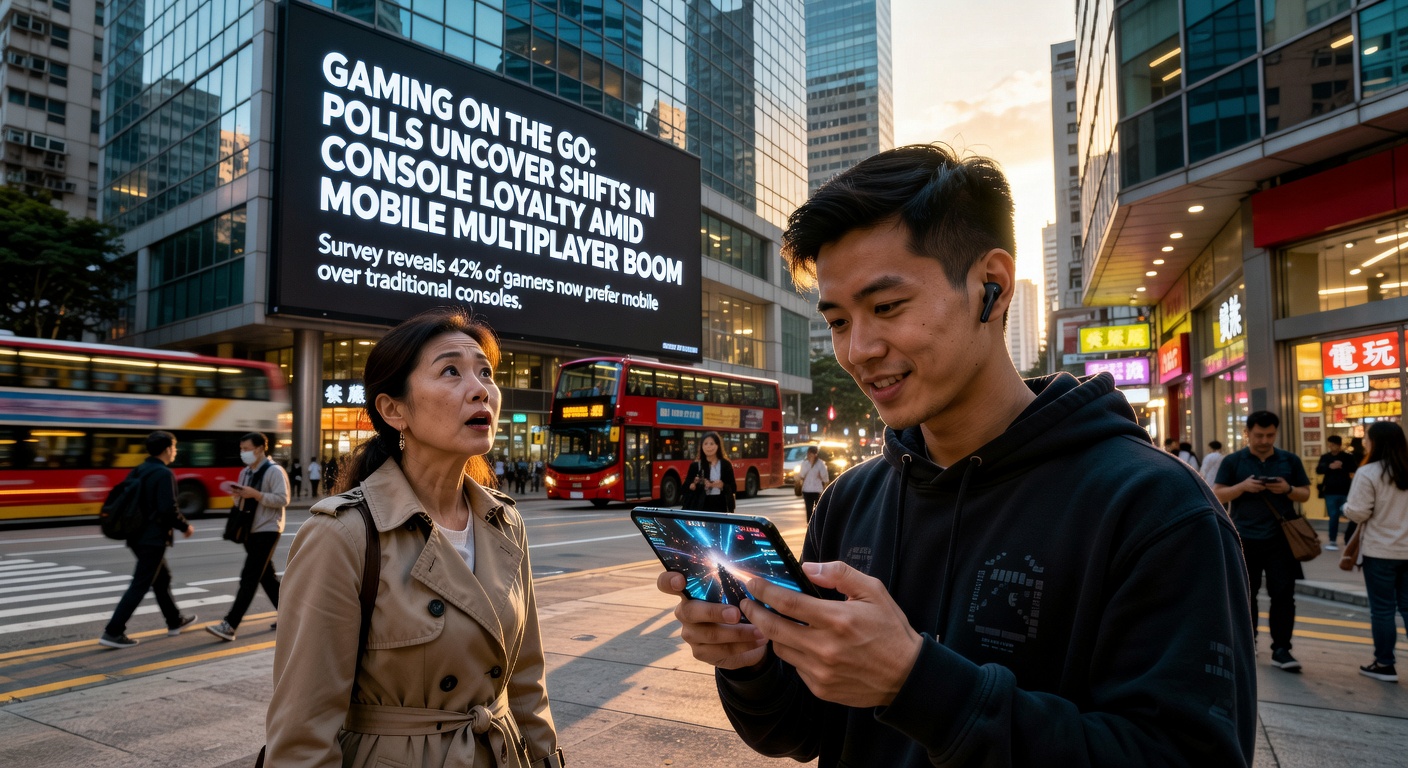
Recent polls conducted in early April 2026 reveal how mobile gaming has reshaped player habits, drawing in crowds who once swore by traditional consoles; data from a global survey of over 10,000 gamers shows that 62% now spend more time on smartphones and tablets than on PlayStation or Xbox setups, a sharp rise from 41% just two years prior. Researchers at Newzoo, a leading games market analytics firm, note this shift stems from seamless multiplayer features in titles like Call of Duty: Mobile and PUBG Mobile, where cross-platform play lets friends team up regardless of device. And while consoles still dominate high-end graphics chases, mobile's accessibility—think quick sessions during commutes or lunch breaks—has eroded that edge.
What's interesting here involves demographics; younger players under 25 lead the charge, with 78% reporting daily mobile play, but even those 35 and older show upticks, as polls indicate 45% have ditched console exclusives for free-to-play mobile battle royales. Observers point to improved hardware like the latest iPhone and Samsung Galaxy models, packing chips that rival entry-level consoles, thus blurring lines between portable and stationary gaming.
Polls Spotlight Declining Console Loyalty
Surveys from VideoGameSurvey.com, tallying responses through mid-April 2026, uncover stark declines in brand loyalty; Nintendo Switch holders dropped from 68% exclusive use in 2024 to 52% now, while PlayStation loyalists fell to 47%, many citing mobile's social multiplayer lures as the culprit. Figures reveal that 39% of former console die-hards now split time evenly, juggling Fortnite squads on phones alongside home setups, a trend experts attribute to live service models that keep engagement high without hefty upfront costs.
But here's the thing: not everyone's jumping ship entirely; hardcore gamers still favor consoles for titles like God of War or Zelda epics, yet polls show hybrid habits emerging, where 55% own both a console and a high-end mobile device, using the latter for on-the-go raids in games like Genshin Impact. Data indicates regional variations too—North American players cling harder to consoles at 61% loyalty rates, whereas Asia-Pacific respondents hit just 34%, fueled by local hits like Honor of Kings dominating app stores.
Mobile Multiplayer's Magnetic Pull
The boom in mobile multiplayer isn't hype; polls confirm it, with 71% of respondents naming real-time squad play as their top draw, surpassing single-player campaigns by a wide margin since features like voice chat and clan systems turned phones into social hubs. Take Clash Royale or Among Us—titles that exploded during lockdowns and never faded—studies from the Interactive Games & Entertainment Association (IGEA) in Australia highlight how such games foster daily logins, averaging 2.3 hours per session compared to consoles' 1.8. And while latency once plagued mobiles, 5G rollouts have leveled the field, enabling butter-smooth 60-player skirmishes that keep teams hooked.
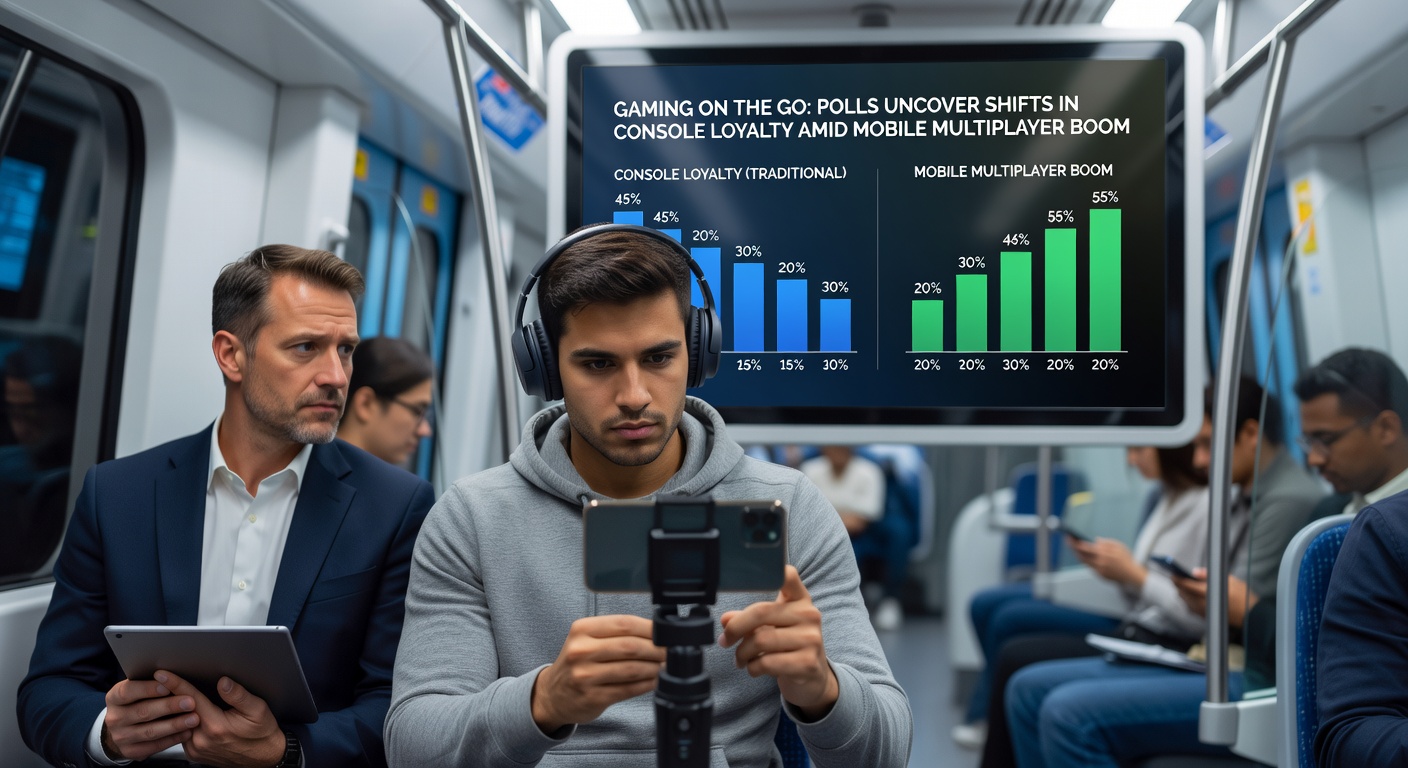
Turns out, cross-play compatibility seals the deal; 64% of polled players say it boosts console loyalty indirectly by letting them dip into mobile without full abandonment, as seen in Rocket League Sideswipe mirroring its PC counterpart. Researchers who've tracked this note how esports integration—think Mobile Legends pro circuits drawing millions—elevates status, making phones viable for competitive play that once belonged to LAN parties.
Demographic Shifts and Daily Habits Exposed
Polls dig deeper into who plays what and when; women now comprise 48% of mobile multiplayer enthusiasts, up from 32% in 2023, often favoring cooperative modes in games like Roblox, while men lean toward shooters at 67% adoption rates. Age groups tell a story too—Gen Z logs 3.1 hours daily on mobiles versus 1.7 on consoles, a gap widening as school schedules demand portability, whereas boomers experiment cautiously, with 22% trying multiplayer for family bonding.
Geographically, Europe's regulatory push for child safety hasn't slowed the tide; data from France's national gaming body shows 59% of teens prioritizing mobiles, blending schoolyard chats with in-game voice lines. And in Canada, where harsh winters keep folks indoors, hybrid use prevails at 67%, per recent surveys. People who've analyzed these patterns observe how monetization—battle passes and skins—fits mobile's bite-sized economy better than console buy-to-own models, encouraging sustained loyalty shifts.
Industry Ripples from the Mobile Wave
Console makers feel the heat; Sony and Microsoft reports for Q1 2026 show flat hardware sales amid soaring game-as-service revenues from mobile ports, prompting investments like Xbox Cloud Gaming to bridge gaps. Nintendo counters smartly with Switch portability, retaining 70% of its base per polls, but even they eye mobile expansions, as rumors swirl around Animal Crossing apps. Developers pivot too—EA and Ubisoft ramp up mobile-first teams, churning out controller-optimized ports that snag 40% more players than console-only releases.
Yet challenges persist; battery drain and smaller screens deter some, though polls find 82% satisfied with progress, especially as foldables like the Samsung Galaxy Z Fold emerge as hybrid contenders. Observers note esports revenue hitting $1.8 billion globally last year, with mobile claiming 52%, pressuring consoles to adapt or risk obsolescence in the casual multiplayer arena.
Future Trajectories in Portable Play
Looking ahead, April 2026 polls forecast continued erosion—projecting console exclusivity at 28% by 2028 if trends hold—yet symbiosis seems likely, with AR glasses like upcoming Apple Vision Pro iterations merging realities for ultimate on-the-go immersion. Data suggests cloud streaming will accelerate this, letting high-fidelity console games run on budget phones, thus retaining loyalty while expanding reach.
One study from a U.S. university gaming lab reveals 76% of players want unified accounts across devices, a fix publishers race to implement; meanwhile, emerging markets in Latin America and Africa drive 45% year-over-year mobile growth, per industry trackers, underscoring where the rubber meets the road for global shifts.
Conclusion
Polls from April 2026 paint a clear picture: mobile multiplayer's boom chips away at console strongholds, fostering hybrid loyalties that prioritize convenience and connection over raw power; as data underscores, 67% of gamers now view devices as interchangeable tools in their play arsenals, signaling an era where gaming truly happens anywhere, anytime. The reality is, while consoles evolve to compete, mobile's momentum shows no signs of slowing, reshaping the landscape for players and creators alike.