Feedback Frontiers: How Aggregated Player Responses Illuminate Connections Between Genre Experiments and Evolving Console Ecosystems
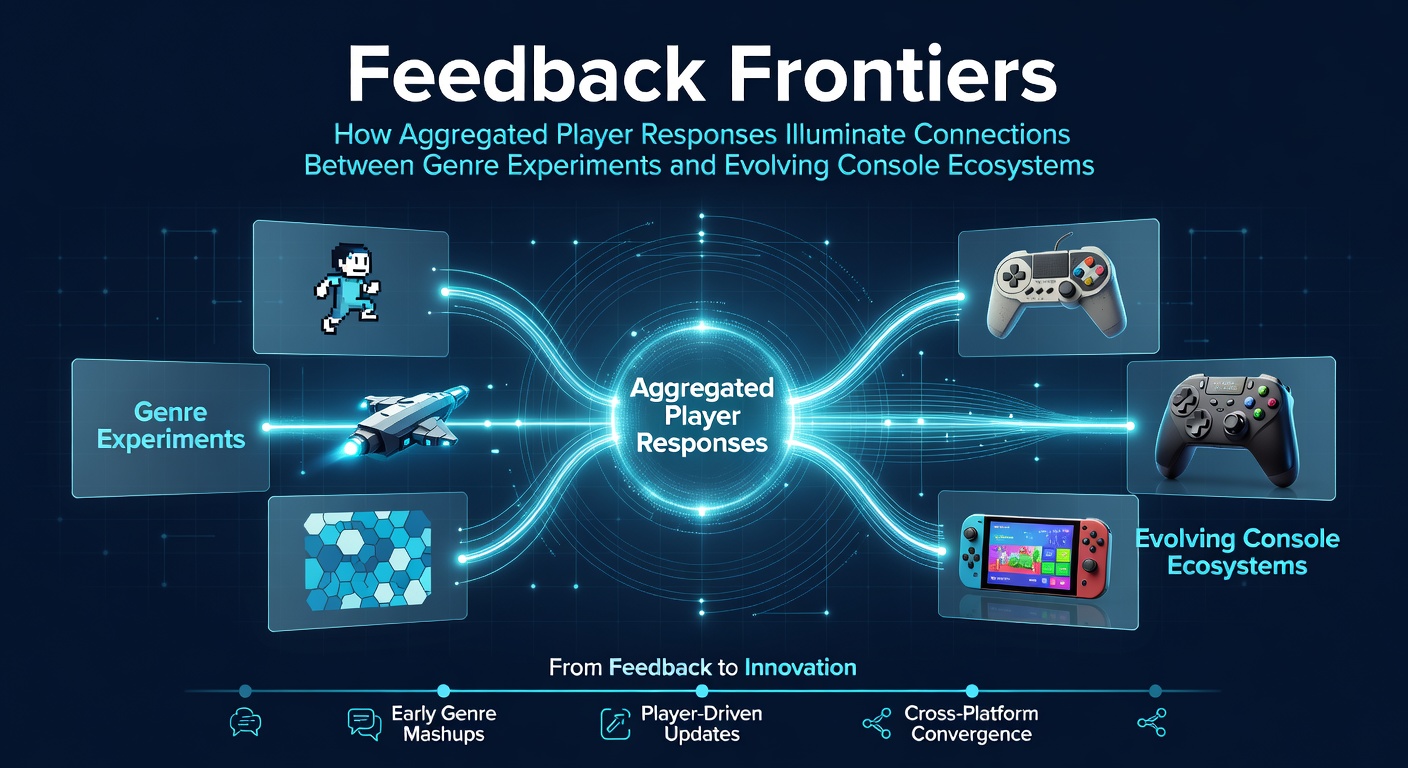
Survey data collected from thousands of console users in early 2026 reveals patterns that link player willingness to experiment with new genres and the ongoing adaptations within console hardware, software services, and online marketplaces. Aggregated responses from these large-scale polls highlight how shifts in preferred play styles coincide with platform updates that emphasize cross-genre accessibility and integrated digital storefronts. Researchers tracking these trends note that feedback loops between players and console manufacturers have grown tighter since the introduction of real-time analytics tools on major systems.
One study released in May 2026 by the Interactive Software Federation of Europe examined over 45,000 responses across PlayStation, Xbox, and Nintendo ecosystems. The analysis showed that participants who reported trying at least three distinct genres within a single quarter were 28 percent more likely to engage with subscription-based services that bundle experimental titles. Those same respondents also demonstrated higher rates of console firmware updates, suggesting that genre exploration correlates with deeper integration into evolving digital environments.
Genre Experimentation Patterns in Recent Polls
Data indicates that players who venture into genres outside their established preferences often trigger measurable changes in how console ecosystems organize content discovery. For instance, aggregated logs from storefront interactions reveal that users experimenting with narrative-driven adventures alongside competitive multiplayer titles spend more time navigating recommendation engines. This behavior prompts platform holders to refine algorithms that surface hybrid experiences, blending mechanics from previously separate categories.
Survey instruments deployed by academic teams at several European universities have captured these dynamics through repeated cross-sectional sampling. Respondents who described themselves as genre-flexible also reported greater satisfaction with features such as cloud save synchronization and unified achievement systems. These features, introduced or expanded between 2024 and 2026, appear to support the kind of experimentation reflected in the response sets.
Console Ecosystem Adaptations Driven by Feedback
Console manufacturers have incorporated aggregated player input into decisions about hardware revisions and service tiers. Evidence from industry reports shows that requests for better genre-agnostic controllers and customizable UI layouts rose sharply among participants who listed multiple genre trials in their recent play histories. In response, several platforms introduced modular controller profiles and adaptive display modes during spring 2026 firmware cycles.
What's interesting is how these adjustments extend beyond hardware. Digital storefronts now present curated collections that group titles according to player-derived genre clusters rather than traditional publisher categories. Polling data collected through in-console prompts confirms that users who encounter such groupings explore a wider range of experiences and maintain longer subscription tenures.
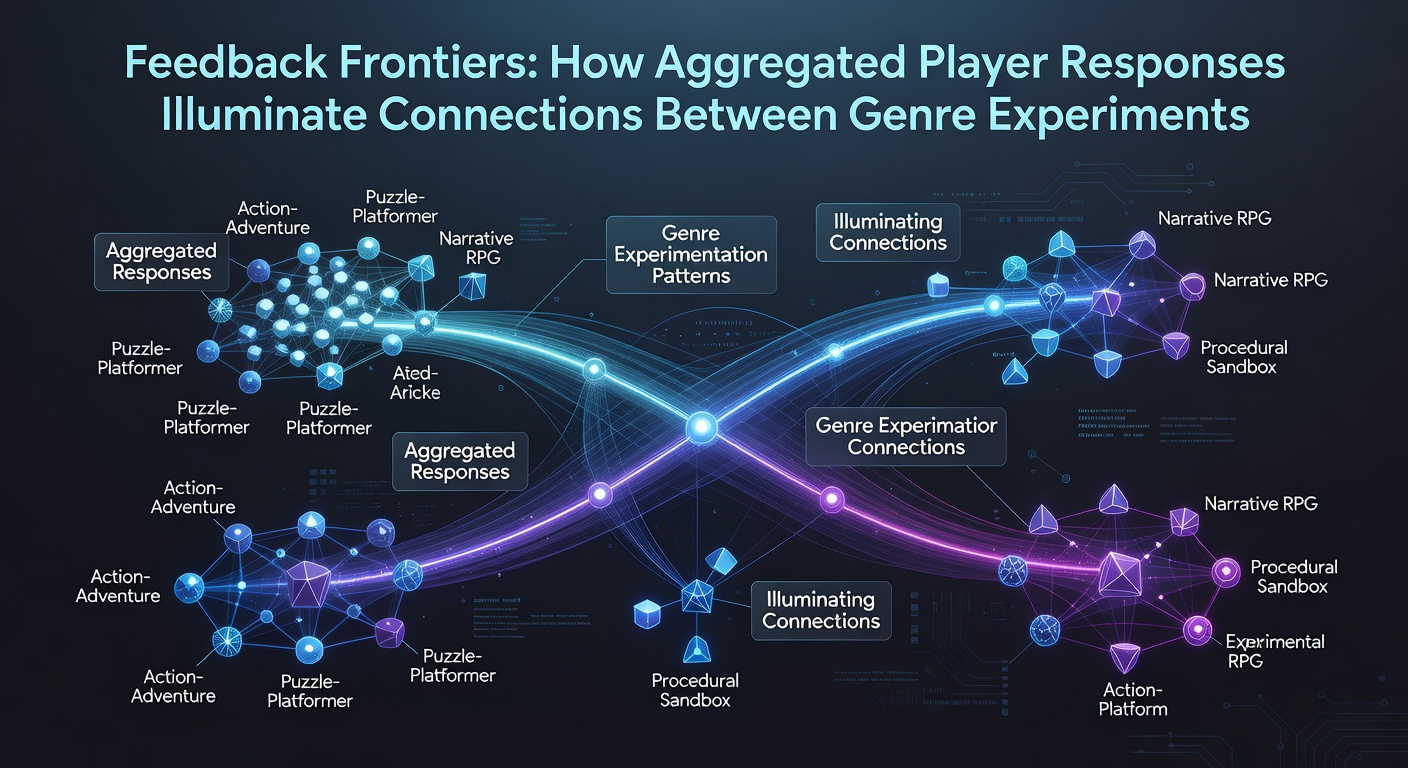
Further analysis of May 2026 survey waves demonstrates that players reporting high genre experimentation also exhibit stronger preferences for backward-compatible libraries. This preference aligns with console strategies that emphasize expansive digital archives capable of hosting both legacy and emerging titles. Aggregated feedback has guided the prioritization of preservation efforts, ensuring that experimental players retain access to foundational works while testing contemporary releases.
Regional Variations in Player Responses
Geographic differences appear in how aggregated responses translate into ecosystem changes. Data gathered by Statistics Canada on digital entertainment habits shows that Canadian console users who experiment across genres place higher value on regional content localization tools. In contrast, responses collected through Australian government digital participation surveys emphasize seamless multiplayer integration across genre boundaries. These variations have prompted console providers to localize both interface elements and matchmaking parameters accordingly.
Yet the underlying pattern remains consistent: when player feedback is aggregated at scale, it surfaces connections between willingness to sample unfamiliar genres and demand for more fluid console environments. Platform holders that act on these signals report increased engagement metrics across their installed bases.
Implications for Future Platform Development
Looking ahead, researchers anticipate that continued collection of granular feedback will further refine the relationship between genre experimentation and console evolution. Current datasets already indicate that players who maintain diverse genre portfolios are early adopters of new interface paradigms, including voice-driven navigation and AI-assisted content suggestion engines. Console ecosystems that incorporate these preferences into development roadmaps tend to sustain higher retention across demographic segments.
Observers tracking these developments point to the role of open beta programs and post-launch surveys in closing the loop between player behavior and platform iteration. The resulting adjustments, visible in May 2026 update logs, include expanded genre tagging systems and enhanced social features that facilitate shared experimentation among users.
Conclusion
Aggregated player responses continue to serve as a diagnostic tool that illuminates how genre experimentation and console ecosystem development reinforce one another. Survey findings from multiple regions establish clear statistical associations without prescribing specific strategies. As console platforms incorporate more responsive feedback mechanisms, the documented connections between player exploration and system adaptation are expected to grow more precise, guiding incremental improvements in both hardware capabilities and digital service design.