Employment Categories and Their Impact on Multiplayer Game Subscriptions According to Recent Player Surveys
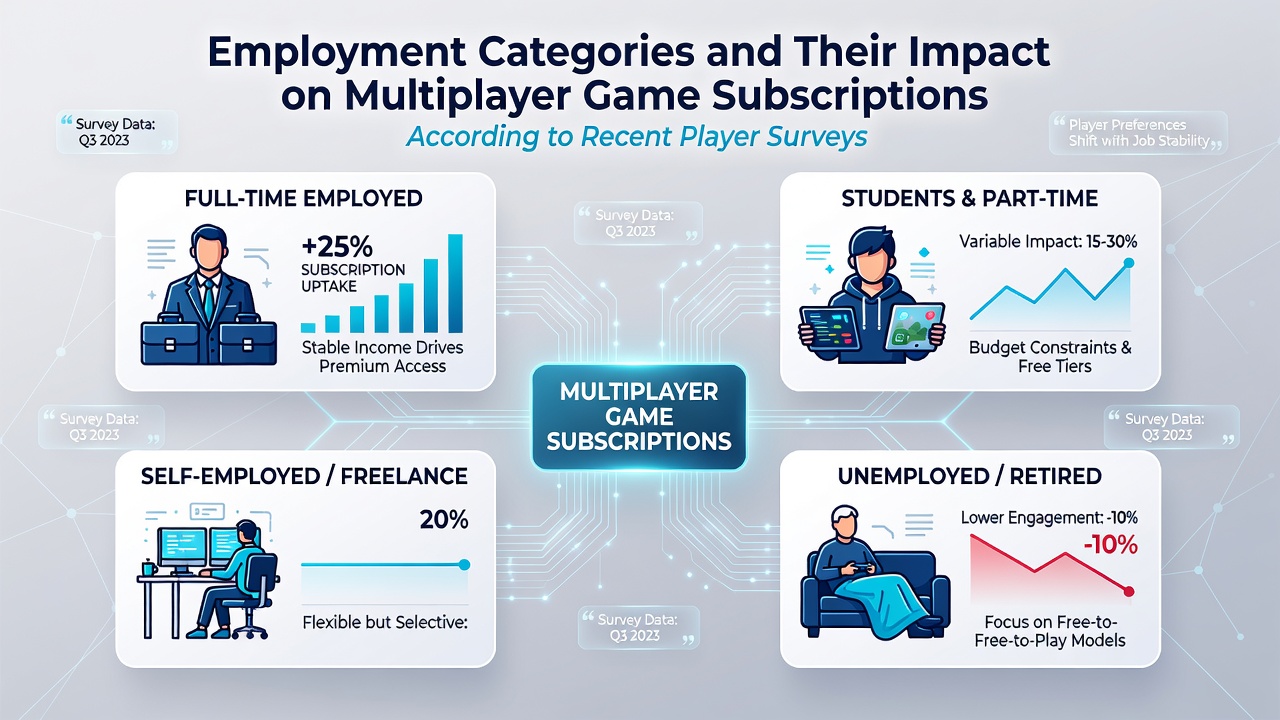
Data collected through player surveys in early 2026 reveal clear connections between employment categories and multiplayer game subscription patterns across platforms. Full-time workers, part-time employees, freelancers, and those outside traditional employment structures show distinct behaviors when it comes to maintaining active subscriptions for titles that require ongoing payments. These patterns emerge from aggregated responses involving thousands of participants who detailed their work situations alongside their gaming habits.
Full-Time Employment and Subscription Stability
Players holding full-time positions demonstrate higher rates of sustained subscriptions to major multiplayer services. Surveys indicate that individuals in this category often allocate portions of their regular income toward monthly fees for games such as those in the battle royale or MMO genres. Because full-time roles typically provide predictable pay cycles, these players report fewer interruptions in service access compared with other groups. One analysis of responses collected through June 2026 polling cycles shows that full-time employees maintain an average of 2.3 active multiplayer subscriptions per household, a figure that holds steady across age brackets within this employment segment.
Part-Time Roles and Flexible Spending Patterns
Part-time workers exhibit more variable subscription activity, with many opting for shorter commitment periods or rotating between services based on current paychecks. Recent player surveys highlight that this group frequently pauses subscriptions during slower income months, then reactivates them when additional shifts become available. Data shows part-time players average 1.4 active subscriptions, though this number fluctuates seasonally. Researchers note that part-time employees often prioritize free-to-play multiplayer options with optional battle passes over fixed monthly plans, a choice that aligns with irregular work schedules common in retail and service industries.
Self-Employment and Income Variability Effects
Freelancers and self-employed individuals display subscription behaviors shaped by project-based earnings. Surveys from 2026 indicate this category experiences the widest swings in active subscriptions, with some months showing multiple paid services and others reflecting complete cancellations. Those who've tracked their own data over time often discover that subscription renewals cluster around periods of high client activity. According to findings shared by the Entertainment Software Association's 2026 report, self-employed players represent a growing segment that favors annual prepaid options when cash flow allows, reducing the risk of mid-project lapses.
Observers note that self-employed gamers also show stronger interest in subscription bundles that combine multiple multiplayer titles, since these packages sometimes offer better value during inconsistent income periods. This approach appears in survey responses from participants across North America and parts of Europe.
Unemployment and Alternative Access Methods
Individuals currently seeking employment or outside the workforce report lower overall subscription rates, yet they maintain engagement through alternative routes. Many rely on free multiplayer modes, shared family accounts, or promotional periods offered by platforms. June 2026 survey clusters reveal that this group experiments with niche multiplayer formats at rates comparable to other categories, though paid subscriptions remain limited. Data indicates an average of 0.7 active paid subscriptions among unemployed respondents, with a preference for games that support offline progression between online sessions.
Regional and Demographic Overlaps
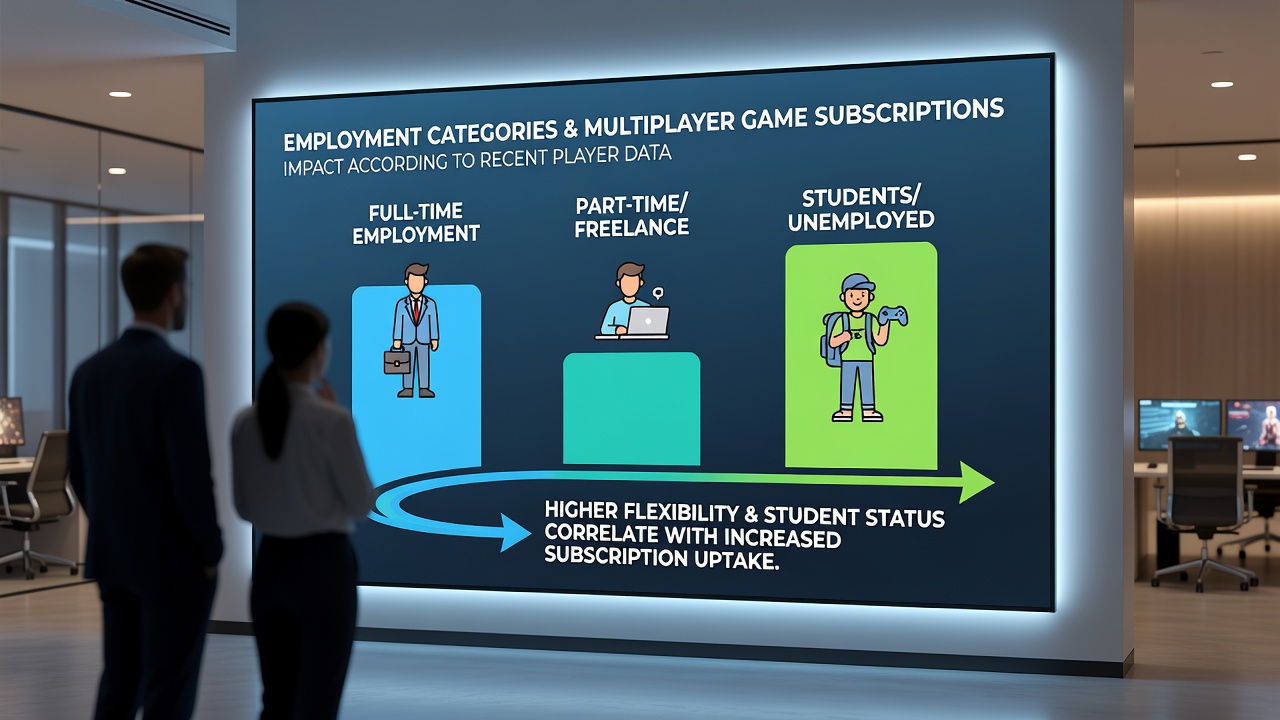
Employment category impacts intersect with geographic factors in interesting ways. Australian and Canadian survey participants in full-time roles show subscription patterns similar to their US counterparts, while self-employed players in these regions demonstrate slightly higher retention when local tax incentives support creative work. A study coordinated through Canadian gaming industry research partners found that contract workers in tech-adjacent fields maintain subscriptions longer than those in traditional freelance trades.
Income brackets tied to employment types further influence these trends. Higher-earning full-time positions correlate with broader platform subscriptions, including console and PC services simultaneously. Lower and middle income ranges within part-time and gig categories lean toward single-platform commitments.
Work Schedule Influences on Play and Payment
Shift work and irregular hours affect both play frequency and payment consistency. Survey respondents working evenings or weekends often schedule multiplayer sessions during off-peak times, which aligns with subscription models offering flexible login rewards. Those with standard daytime schedules report more predictable renewal patterns, since their gaming occurs in consistent evening blocks. Aggregated 2026 data links these schedule differences directly to churn rates, with irregular workers showing 18 percent higher mid-year cancellations across major services.
Conclusion
Employment categories shape multiplayer game subscription behaviors through income stability, work schedules, and spending flexibility. Recent player surveys provide measurable evidence of these connections, showing how full-time roles support steady access while part-time, self-employed, and unemployed groups navigate subscriptions with greater variability. As 2026 progresses, ongoing polling continues to track these patterns across regions and demographics.