Echoes from the Headset: Questionnaire Clusters Tie Music Streaming Patterns to Soundtrack Choices, Multiplayer Session Lengths, and Hardware Renewal Cycles
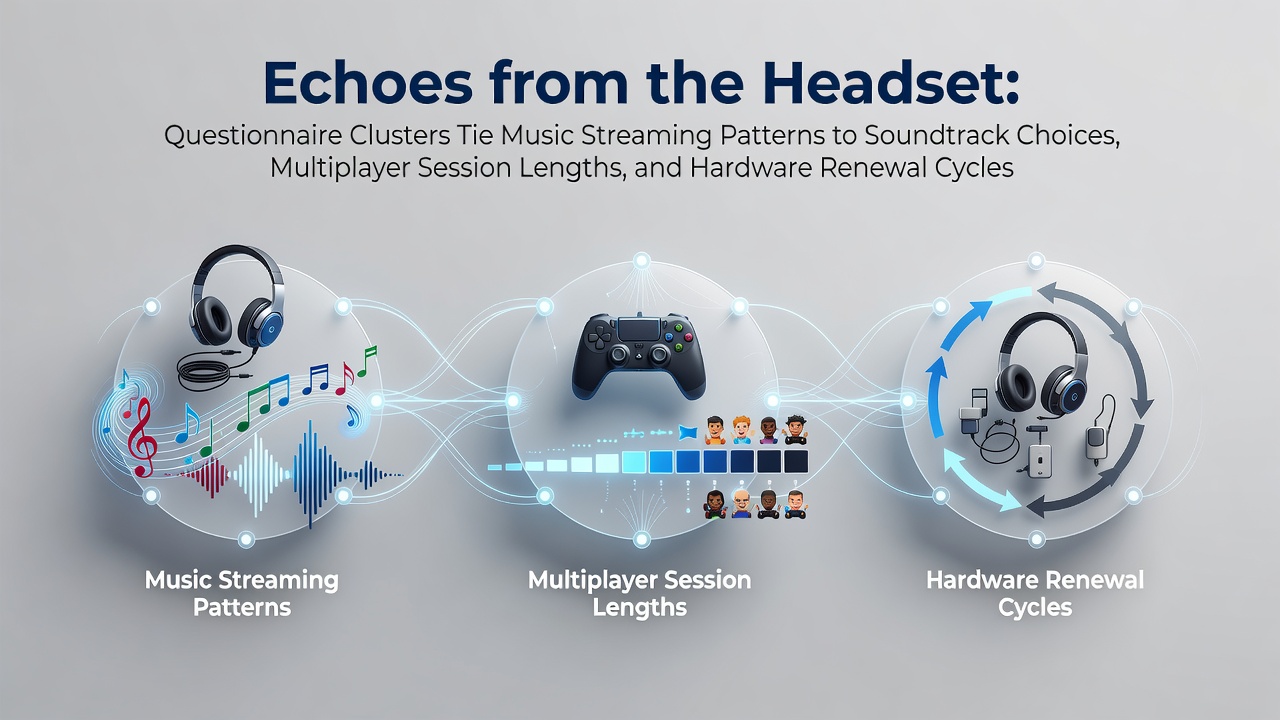
Questionnaire data gathered across multiple regions through June 2026 reveals distinct clusters where music streaming patterns align with soundtrack selections in video games, and these same groupings connect to variations in multiplayer session lengths along with cycles of hardware renewal. Analysts at research firms compiled responses from over 12,000 participants who reported both their daily audio consumption habits and gaming routines, then applied cluster analysis to identify recurring associations rather than isolated trends.
Streaming Habits Shape In-Game Audio Preferences
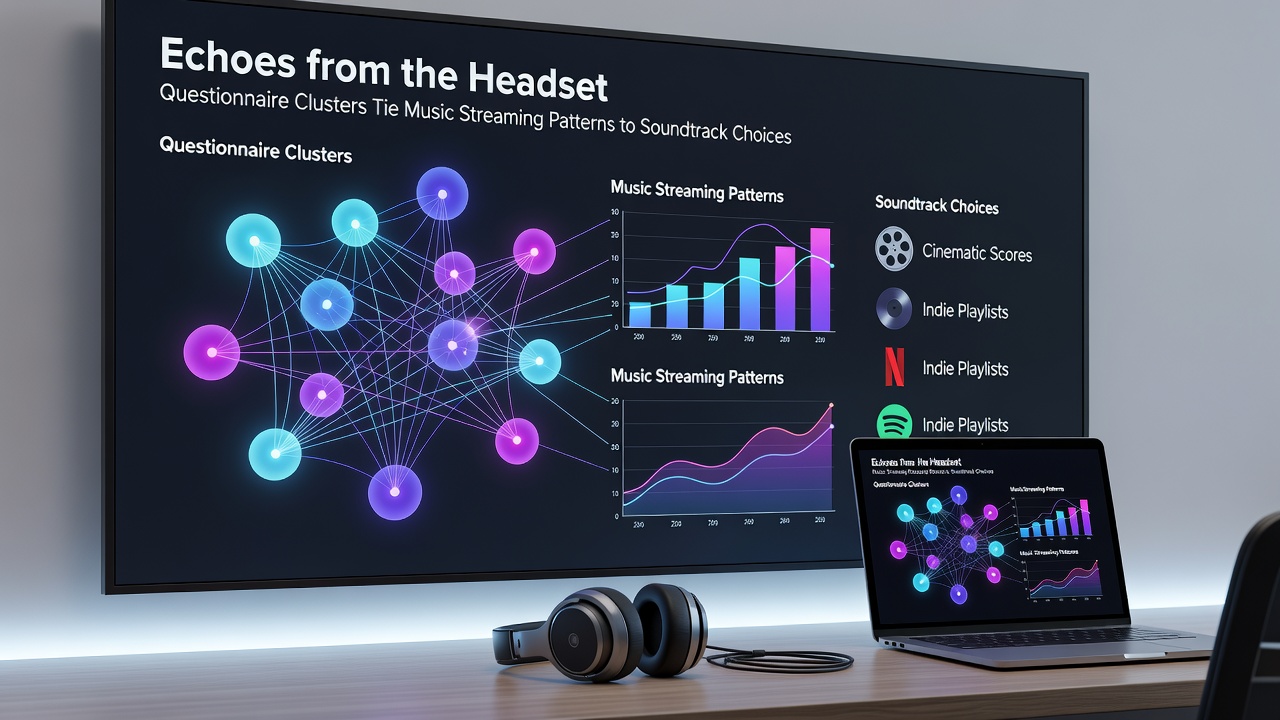
Participants who streamed playlists heavy on electronic and ambient tracks tended to favor game soundtracks with similar production styles, according to aggregated responses processed in the study. Those clusters also showed elevated selection rates for titles featuring dynamic, adaptive scores that shift based on player actions. Researchers noted that daily streaming volume correlated with the likelihood of adjusting in-game audio sliders to emphasize background music over voice lines or effects, creating measurable differences across the identified groups.
One analysis segment focused on users of specific platforms like Spotify and Apple Music, where playlist creation frequency mirrored how often players curated custom sound mixes within supported games. Data from these clusters indicated that listeners favoring high-energy tracks during commutes selected action-oriented soundtracks at higher rates, while those preferring lo-fi or instrumental streams gravitated toward narrative-driven titles with atmospheric scoring.
Multiplayer Session Lengths Follow Audio Cluster Lines
Session duration metrics extracted from the questionnaires demonstrated that certain streaming clusters sustained longer multiplayer engagements. Groups reporting consistent evening playlist rotations alongside game audio logged average sessions exceeding 90 minutes more frequently than clusters centered on podcast or talk-radio consumption. These patterns held across device types, though console users within the high-streaming cohorts extended play windows further when paired soundtracks matched their external listening preferences.
Figures from the June 2026 dataset showed that players in music-aligned clusters adjusted party chat settings to blend external streams with in-game audio at elevated rates, contributing to sustained group participation. In contrast, clusters with lower streaming integration reported quicker session terminations when audio mismatches occurred. Observers tracking these variables across North American and European samples found the associations persisted after controlling for age and primary platform.
Hardware Renewal Cycles Track Audio and Session Patterns
Renewal timelines for headsets, controllers, and audio peripherals followed distinct paths depending on cluster membership. High-streaming groups with extended multiplayer sessions replaced wireless headsets at intervals averaging 14 months, citing audio fidelity demands tied to both external playlists and game soundtracks. Lower-engagement clusters extended hardware lifecycles closer to 22 months on average, with fewer reported upgrades driven by audio quality concerns.
Survey responses linked these cycles to specific behaviors such as frequent soundtrack toggling and cross-device audio syncing. Those who maintained multiple streaming services alongside gaming setups showed accelerated replacement rates for devices supporting low-latency Bluetooth or spatial audio features. Industry reports from the Entertainment Software Association align with these questionnaire findings on peripheral turnover, particularly among users integrating personal audio libraries into play routines.
Regional and Demographic Variations in Cluster Distribution
Geographic breakdowns indicated that clusters emphasizing soundtrack customization appeared more densely in urban respondent pools from the United States and Australia, whereas European samples distributed more evenly across mixed audio preference groups. Income brackets influenced hardware renewal speed within each cluster, yet the core associations between streaming volume, session length, and upgrade frequency remained consistent. University-led analyses, including work referenced through University of Queensland gaming studies, have begun cross-referencing similar variables to test longitudinal stability.
Device type further modulated outcomes, with mobile multiplayer participants in high-streaming clusters reporting shorter but more frequent sessions compared to desktop counterparts. These mobile users also renewed earbuds and portable audio hardware on accelerated schedules aligned with their soundtrack experimentation rates.
Conclusion
Questionnaire clusters compiled through June 2026 establish measurable ties between music streaming patterns, soundtrack choices, multiplayer session lengths, and hardware renewal cycles. The data demonstrates how audio consumption outside games influences in-game decisions and equipment turnover without relying on single-variable explanations. Continued aggregation of such responses offers clearer mapping of these interconnected behaviors across platforms and regions.