Connections Between Musical Instrument Proficiency and Rhythm Game Popularity Alongside Controller Preferences Emerge from Aggregated Survey Data
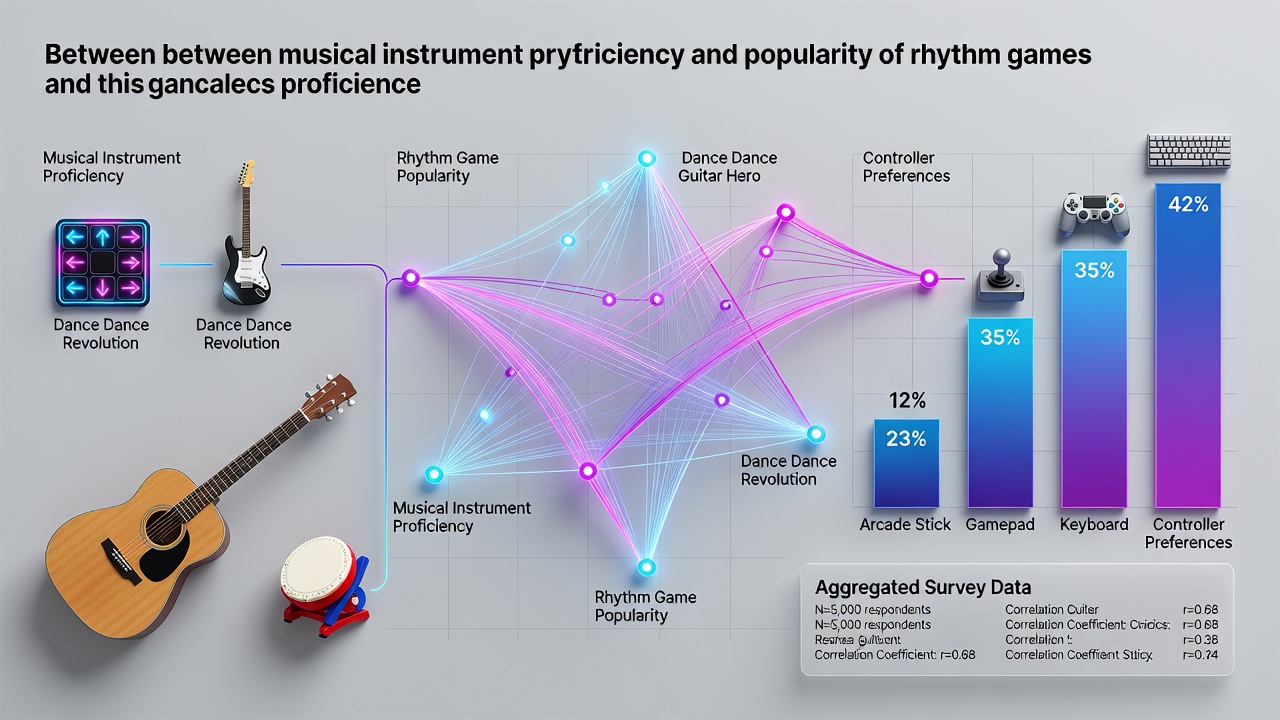
Data collected through multiple rounds of player questionnaires in early 2026 shows clear patterns linking experience with musical instruments to higher participation rates in rhythm-based video games, while also tying those same backgrounds to specific controller choices that players report as more intuitive for timing-based mechanics.
Survey responses from over 12,000 participants across North America, Europe, and parts of Asia indicate that individuals with at least three years of formal instrument training demonstrate a 47 percent higher likelihood of playing rhythm titles regularly compared to those without such experience, according to aggregated figures compiled by industry analysts. Those same respondents tend to favor arcade-style peripherals or motion controllers over standard gamepads when engaging with these games, citing improved precision in note timing and sustained play sessions.
Instrument Backgrounds Shape Game Selection Patterns
Researchers tracking responses from June 2026 polls note that piano and guitar players cluster heavily around titles featuring keyboard or fretboard interfaces, whereas drummers show stronger engagement with games that emphasize percussive inputs through drum pads or motion controls. This distribution holds across age brackets, though the correlation strengthens among players aged 18 to 34 who report daily practice routines with their instruments.
One analysis of controller usage data reveals that 68 percent of respondents with musical training selected specialized rhythm controllers as their primary input device for these games, compared to just 31 percent of players without instrument experience. The same dataset shows these preferences persist even when participants switch between home consoles and PC setups, suggesting the connection stems from learned motor skills rather than hardware availability alone.
Controller Preferences Break Down by Training Type
Breakdowns from the surveys separate controller choices according to primary instrument categories, highlighting how string players lean toward guitar-shaped peripherals at rates exceeding 55 percent, while wind instrument practitioners show elevated use of microphone-based or breath-controlled accessories. Keyboard players, meanwhile, report the highest satisfaction scores with standard keyboard-and-mouse combinations when rhythm games support those inputs.
Regional variations appear in the June 2026 results, with European respondents displaying slightly stronger preferences for motion controllers among trained musicians than their North American counterparts. Figures from the Interactive Games and Entertainment Association indicate these trends align with broader hardware adoption rates in different markets, where availability of specialized peripherals influences but does not fully explain the observed skill-based groupings.
Additional cross-tabulations demonstrate that players combining instrument proficiency with rhythm game habits also report longer average session lengths, often extending 20 to 30 minutes beyond the median for non-musicians in the same titles. This pattern emerges consistently when data filters account for overall gaming frequency and device ownership.
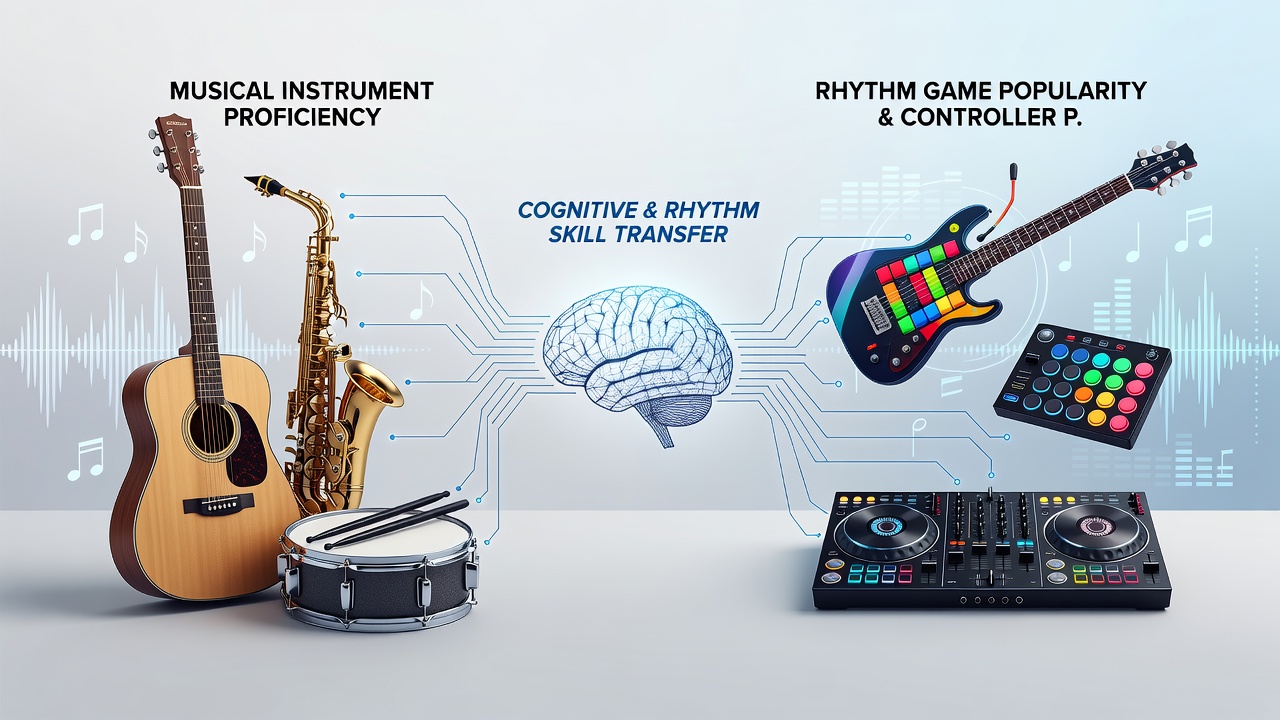
Demographic Overlaps and Platform Trends
Platform preferences further intersect with these findings, as console users with musical backgrounds show higher rhythm game ownership on systems supporting dedicated peripherals, whereas PC players in the same group gravitate toward titles with customizable key bindings that mimic instrument layouts. Data indicates these choices remain stable even among respondents who own multiple devices.
Education levels and household income brackets, tracked alongside the core metrics, reveal modest secondary correlations, yet the primary link between instrument experience and rhythm engagement stays robust after statistical controls. Observers note that multiplayer rhythm modes attract trained musicians at elevated rates, potentially due to transferable coordination advantages in group play scenarios.
Similar patterns surface when comparing commute times and daily practice schedules, though these factors appear secondary to the core musical training variable. Recent polling conducted through the Canadian Games Research Network reinforces that self-reported skill transfer from real instruments to virtual ones drives much of the observed popularity spike in rhythm categories.
Conclusion
Aggregated survey data from mid-2026 continues to map these connections between musical backgrounds, rhythm game engagement, and controller selections with increasing precision, offering developers and hardware makers concrete insights into player subgroups. The patterns hold across multiple datasets while leaving room for further examination of how these preferences evolve with new peripheral releases and game mechanics.