Balance Sheets and Battle Passes: Industry Data Reveals How Budget Allocations Influence Choices in Multiplayer Titles and Hardware Upgrades
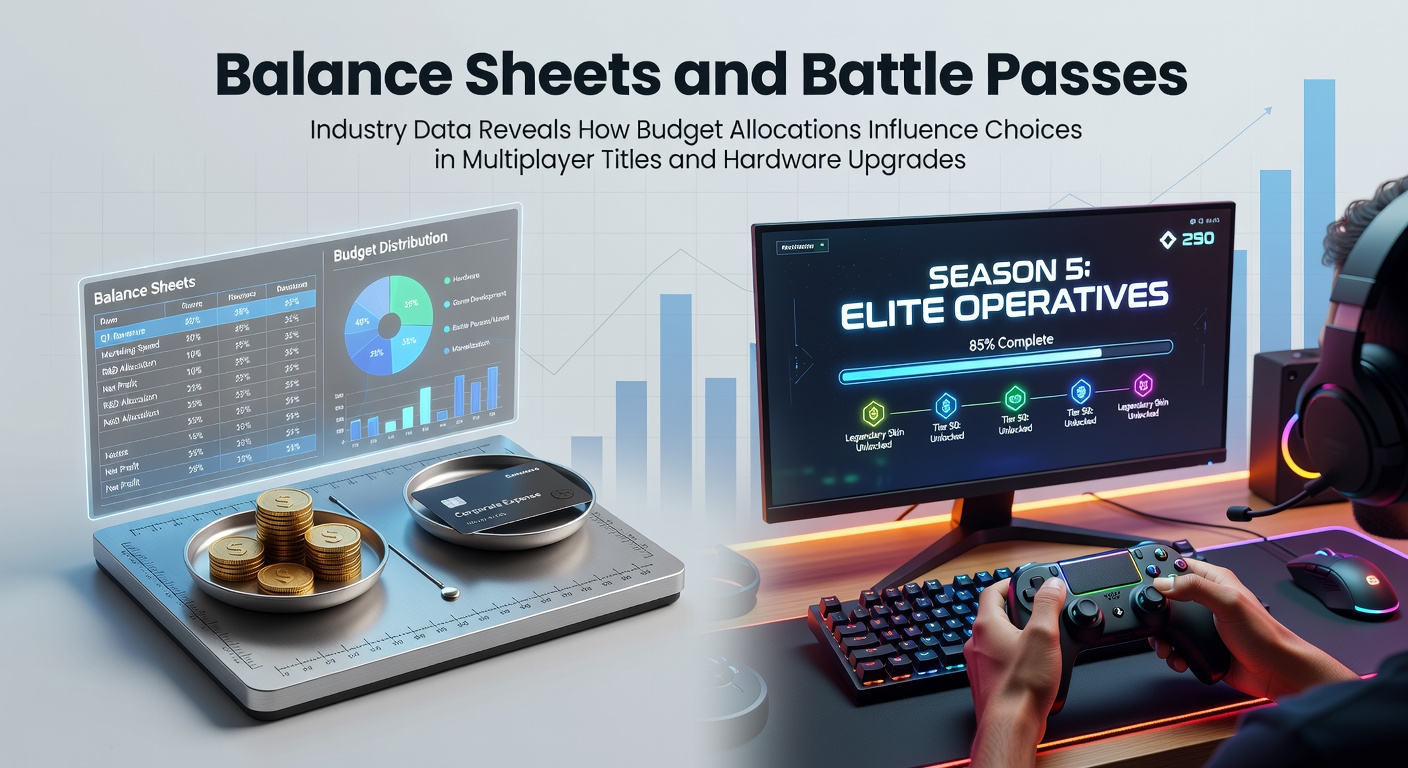
Data from June 2026 indicates that players continue to split discretionary spending between recurring in-game purchases and occasional hardware investments, with battle passes emerging as a consistent draw in multiplayer ecosystems. Reports compiled by industry analysts show that average monthly allocations for digital content often range between $15 and $40 per active account, while hardware upgrades occur at intervals of 18 to 36 months for many households. These patterns hold across platforms where live-service titles dominate session logs.
Battle Pass Adoption Patterns in Multiplayer Games
Figures released by the Entertainment Software Association highlight that battle pass purchases appear in roughly 62 percent of accounts playing major multiplayer franchises during the first half of 2026. Players who maintain multiple active titles tend to stagger renewals rather than stack them simultaneously, which spreads costs across quarters. Data sets from platform telemetry further reveal that free-to-play titles generate higher battle pass uptake rates than premium releases, largely because entry barriers remain low and progression systems reward consistent participation.
Seasonal events tied to battle passes drive temporary spikes in both playtime and spending, yet conversion rates stabilize once initial rewards are claimed. Observers tracking user behavior note that accounts with higher weekly session counts above eight hours convert at nearly double the rate of lighter players. This correlation appears in aggregated metrics from North American and European markets alike.
Hardware Upgrade Cycles and Spending Trade-offs
Industry surveys conducted through mid-2026 demonstrate that console and PC component purchases frequently compete directly with digital content budgets. Households reporting annual entertainment expenditures under $600 show a clear preference for extending hardware lifespan through software upgrades instead of new devices. In contrast, segments with larger discretionary pools tend to refresh hardware every two years while maintaining battle pass subscriptions across several titles.
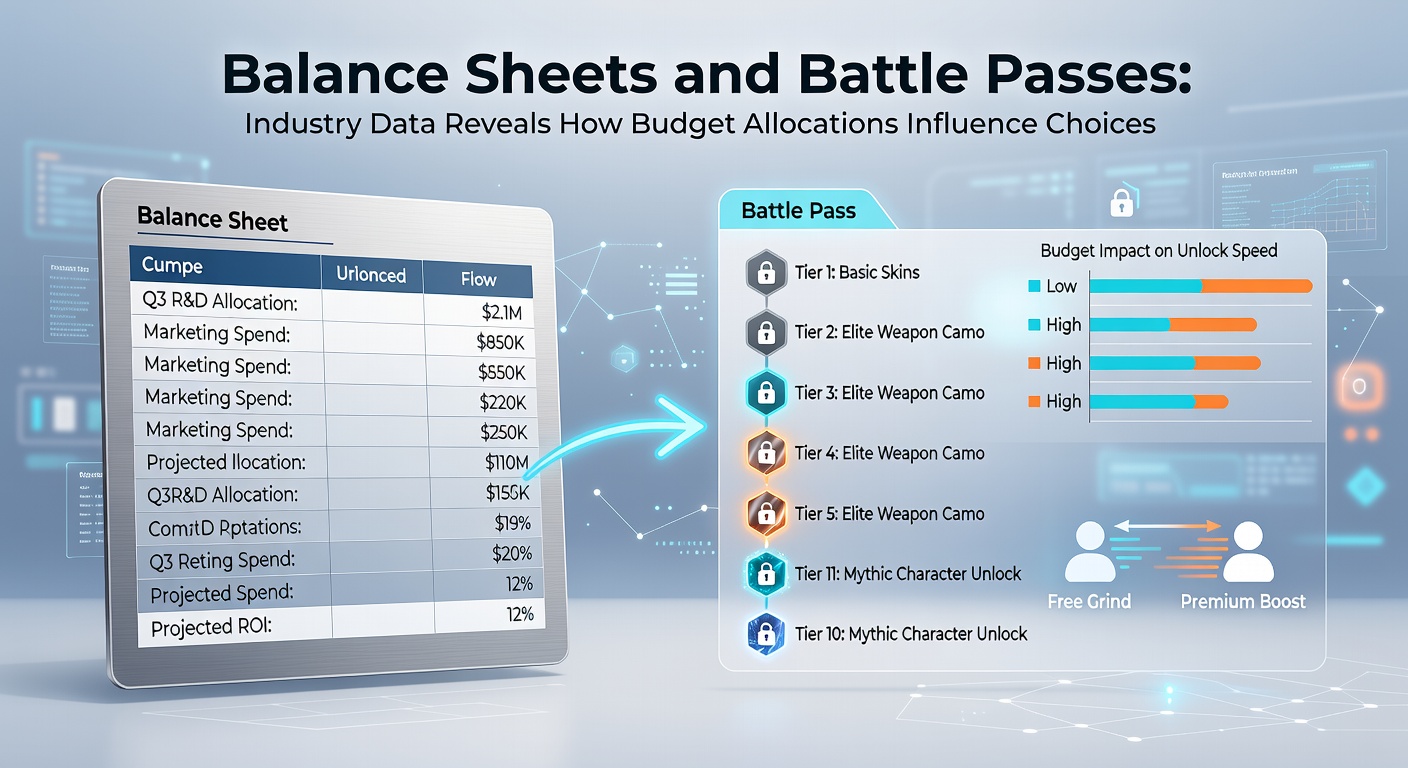
Component pricing data collected by the Interactive Games and Entertainment Association in Australia indicates that graphics card and console bundle deals in early 2026 reduced average upgrade costs by 18 percent compared with the prior year. Players who timed purchases around these promotions often maintained battle pass continuity without increasing overall monthly outlays. Those who upgraded outside promotional windows, however, reported pausing one or more subscriptions until hardware payments were complete.
Regional Variations in Allocation Strategies
Cross-border comparisons compiled in June 2026 show distinct regional tendencies. North American accounts allocate a larger share toward battle passes in competitive shooters, while European players distribute spending more evenly between multiplayer services and single-player expansions. Canadian market data mirrors these trends yet reveals slightly higher hardware refresh rates among PC enthusiasts who cite performance demands in cross-platform titles.
Academic studies from university research groups in the European Union further connect these choices to subscription fatigue, where overlapping service fees prompt selective cancellations. Accounts that drop one battle pass frequently redirect those funds toward hardware accessories such as improved controllers or storage expansions rather than replacing the entire platform.
Platform-Specific Spending Behaviors
Telemetry from major storefronts illustrates how ecosystem lock-in influences decisions. Accounts tied primarily to one console family show steadier battle pass renewals because integration with existing libraries reduces perceived switching costs. Mobile-linked multiplayer experiences, meanwhile, capture smaller per-transaction amounts yet achieve broader participation because microtransactions remain under $10 in most cases.
Researchers tracking longitudinal data note that players who recently completed a hardware cycle tend to increase battle pass activity in the following three months, suggesting a temporary reallocation of freed-up funds. This rebound effect appears consistently across datasets from both console and PC segments.
Conclusion
June 2026 industry figures continue to map clear connections between budget lines for battle passes and hardware decisions in multiplayer gaming. Accounts balance recurring digital costs against infrequent capital outlays, with timing and promotions shaping final choices. Platform telemetry and regional surveys together demonstrate that these allocation patterns persist across demographics while adapting to pricing shifts and seasonal events.