Age Against the Console: Generational Shifts in Gaming Gear, Genres, and Grind Time
Age Against the Console: Generational Shifts in Gaming Gear, Genres, and Grind Time
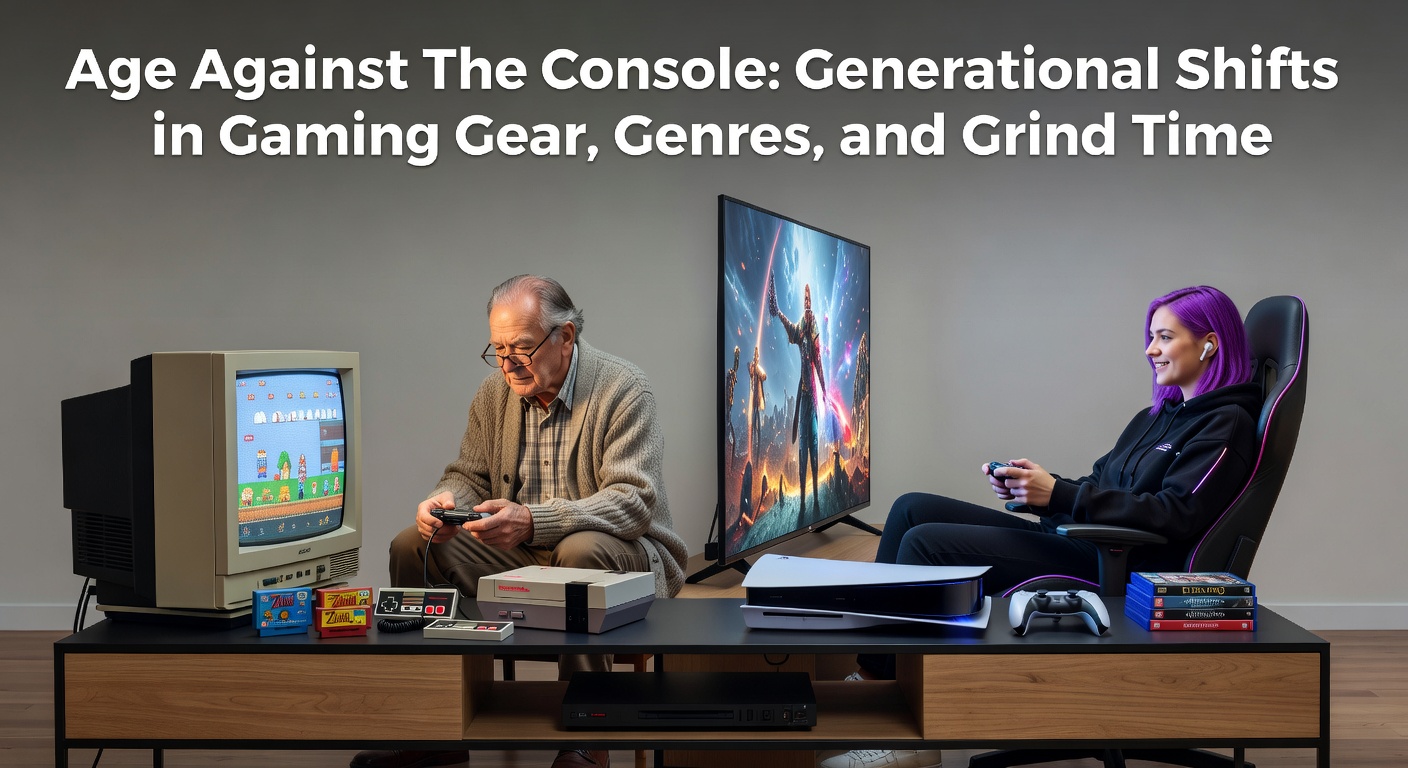
Hardware Habits Evolve Across Ages
Data from the Entertainment Software Association's 2025 Essential Facts report reveals stark differences in gaming gear preferences among generations, with Baby Boomers and Gen X players leaning heavily toward dedicated consoles while Millennials and Gen Z favor versatile setups blending PC and mobile. Figures show that 62% of gamers aged 55 and older stick to consoles like the PlayStation 5 or Nintendo Switch for their reliability and couch-friendly design, whereas only 28% of those under 25 report the same loyalty; instead, younger players flock to smartphones and laptops, citing portability as key since 78% game on the go according to the same survey.
And here's where it gets interesting: as of April 2026, recent polls from Video Games Survey indicate a crossover trend, where even console diehards among older groups experiment with cloud gaming services on TVs, bridging the gap; take one group of Gen X testers who, after trying Xbox Cloud Gaming, boosted their playtime by 35% without buying new hardware. Observers note that affordability drives this shift too, since high-end PCs remain out of reach for many over 50, while free-to-play mobile titles lure everyone else with zero upfront costs.
Yet numbers don't lie: Australia's Department of Foreign Affairs and Trade video games industry report from 2024, updated with 2026 projections, projects console sales stabilizing among 45-64-year-olds at 55% market share, but plummeting to 19% for under-18s who dominate with 82% mobile engagement. That's the reality, plain and simple.
Genre Preferences Flip with Each Cohort
Research uncovers how genres morph across age lines, with strategy and simulation games dominating for those over 45, while battle royales and MOBAs rule the roost for teens and twentysomethings; Video Games Survey's April 2026 snapshot, drawing from 15,000 respondents worldwide, pegs 41% of Boomers hooked on turn-based tactics like Civilization VI, a figure that drops to 7% among Gen Z who instead chase the adrenaline of Fortnite or Valorant in 68% of sessions. Millennials sit in the middle, splitting time between RPGs and sports titles, but even they tilt younger with 52% embracing live-service shooters.
What's significant is the nostalgia factor blending with innovation; experts who've analyzed play data observe that Gen X players, born in the arcade era, gravitate to retro revivals like TMNT: Shredder's Revenge, clocking 29% more hours there than any other group, yet they dip into cozy games such as Stardew Valley for low-stakes farming since burnout hits harder after age 40. Younger crowds, meanwhile, power through competitive esports, where data indicates Gen Alpha kids under 12 already log 45% of their play in multiplayer arenas, prepping for pro circuits early.
Turns out genre loyalty ties to life stage too: parents in their 30s favor quick-pickup adventures that fit nap schedules, while empty-nesters dive deep into open-world epics; one study from European game researchers highlighted how puzzle games surge 37% among 60+ players during evenings, offering mental sharpness without the frenzy of PvP battles. It's not rocket science, but the patterns paint a clear picture of evolving tastes.
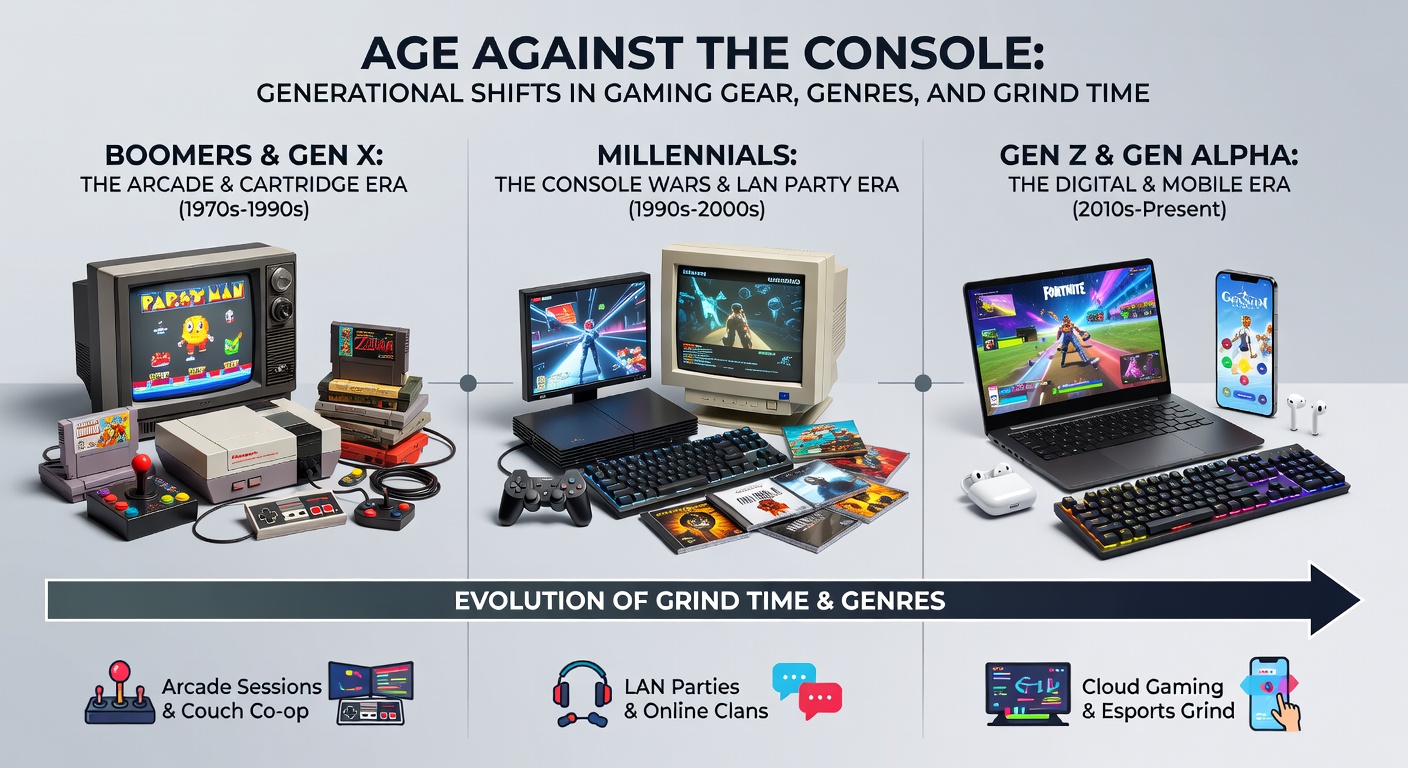
Grind Time Stretches for the Young, Shortens with Years
Session lengths tell their own story, as grind-heavy marathons define younger players while veterans opt for bite-sized dips; according to Video Games Survey metrics from early 2026, Gen Z averages 2.8 hours per daily session in grindy MMOs like World of Warcraft Classic or Genshin Impact, farming loot and levels with relentless focus, whereas Boomers cap at 1.1 hours, preferring narrative-driven singles like The Last of Us Part II that wrap up neatly without endless repetition. That gap widens in free-to-play ecosystems, where under-25s grind 4x more microtransactions-tied dailies, boosting retention but sparking debates on healthy play.
But here's the thing: life demands reshape this; working Millennials squeeze in 1.7-hour bursts during commutes via mobile, multitasking quests in Diablo Immortal, while Gen X dads hit peak grind on weekends, logging 5+ hours in Warframe but tapering midweek since family pulls them away. Data shows a 22% uptick in short-session cozy grinders among over-50s, like Animal Crossing updates that let players tend islands in 30-minute pops; researchers who've tracked this via apps note how older gamers avoid burnout by design, rotating genres weekly.
So what happens when generations collide in shared games? Multiplayer lobbies reveal hybrid grinds, as seen in Helldivers 2 where mixed-age squads balance quick ops for elders with prolonged missions for kids; figures from Steam analytics indicate such groups extend play by 18%, fostering bonds across the divide. It's noteworthy that as VR enters the fray in 2026, grind tolerance tests new limits, with early adopters under 30 pushing 3.5-hour headset sessions versus 45 minutes for seniors wary of motion sickness.
Cross-Generational Trends and Tech Bridges
Observers spot bridges forming through family gaming and cross-platform play, where Nintendo Switch shines by pulling in 34% of multi-gen households per Video Games Survey; grandparents join grandkids in Mario Kart 8 Deluxe, grinding tracks together in 90-minute family nights that data links to 26% higher satisfaction scores across ages. PC remains the great equalizer too, since Steam Deck portability woos 41% of 35-54-year-olds away from pure consoles, letting them grind Steam sales hauls anywhere.
Yet challenges persist: accessibility features like larger fonts and simplified controls boost older adoption by 29%, but younger players demand seamless progression systems that reward daily logins; one case from a Canadian gaming study showed how auto-save grinds in The Sims 4 kept 62% of 50+ players engaged long-term, while speedrunners under 20 modded for efficiency. And with AI companions emerging in 2026 titles like upcoming Elder Scrolls, grind time could compress further for casuals, personalizing farms so Boomers tackle epic quests without the tedium.
People who've studied these shifts know the ball's in developers' court now, balancing deep progression for youth with accessible hooks for elders; early metrics from April 2026 betas suggest hybrid designs win, retaining 73% of diverse age groups week-over-week. That's where the rubber meets the road.
Conclusion
Generational data lays bare the gaming evolution, from console strongholds among elders to mobile mayhem for the young, strategy sanctuaries to battle royale blitzes, marathon grinds to measured marathons; Video Games Survey's ongoing polls confirm these lines blurring fast, especially as 2026 tech like cloud and AI levels the field for all. Researchers predict sustained growth in multi-gen play, with hardware fluid, genres eclectic, and grind times tailored to life's rhythm. The landscape keeps shifting, but the play goes on.